





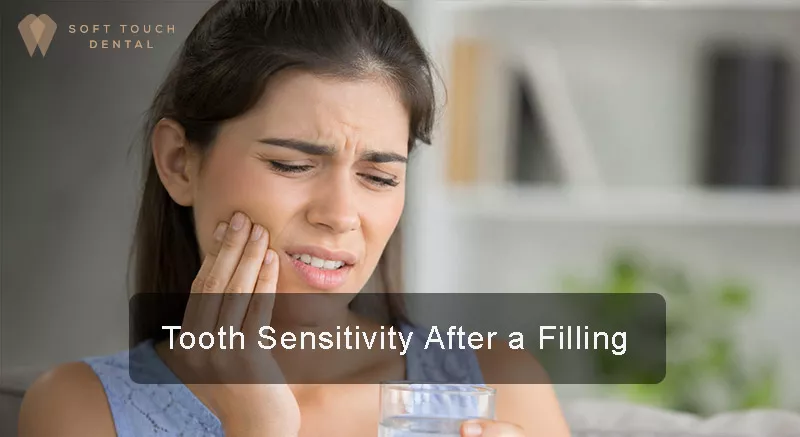
Experiencing tooth sensitivity after filling is completely normal and usually temporary. Most people notice some discomfort when eating hot or cold foods for a few days to a couple of weeks after their dental appointment. While this sensitivity typically resolves on its own, understanding why it happens and when to seek help can give you peace of mind during your recovery.
Is Tooth Sensitivity After a Filling Normal?
Yes, sensitivity after dental filling is one of the most common post-procedure experiences. Your tooth has just undergone a minor trauma decay was removed, the area was cleaned, and new material was placed inside. This process can temporarily irritate the nerve inside your tooth, leading to heightened sensitivity.
Most patients experience mild to moderate discomfort that gradually fades within 1-2 weeks. The sensitivity usually manifests when you consume hot, cold, sweet, or acidic foods and drinks, or when you bite down on the filled tooth. This is your tooth’s way of adjusting to the new filling material and healing from the procedure.
Why Does Tooth Pain After Filling Happen?
Nerve Irritation
During the filling process, your dentist removes decayed tooth material and prepares the cavity. This work happens close to the tooth’s nerve, which can become temporarily inflamed. The deeper the cavity, the closer the work gets to the nerve, and the more likely you’ll experience post-filling sensitivity.
Filling Material Adjustment
Different filling materials conduct temperature differently than your natural tooth structure. Amalgam (silver) fillings, for example, are metal-based and conduct heat and cold more readily than composite (tooth-colored) fillings. Your tooth needs time to adapt to these new thermal properties.
Bite Alignment Issues
Sometimes a filling sits slightly higher than your other teeth, creating an uneven bite. This puts extra pressure on the filled tooth every time you chew, leading to ongoing discomfort. If your bite feels “off” after a filling, contact your dentist a simple adjustment can resolve this quickly.
Inflammation of the Pulp
In cases where decay was extensive or very close to the nerve, the pulp (the soft tissue inside your tooth containing nerves and blood vessels) may become inflamed. This condition, called pulpitis, can cause more intense sensitivity that may require additional treatment.
How Long Should Sensitive Teeth After Filling Last?
Timeline expectations
- Days 1-3: Peak sensitivity is common. You might feel sharp, brief pain with temperature changes or pressure.
- Week 1-2: Sensitivity should gradually decrease. Discomfort becomes less frequent and less intense.
- Week 2-4: Most people are completely comfortable by this point.
- Beyond 4 weeks: If sensitivity persists or worsens, schedule a follow-up appointment.
Keep in mind that deeper fillings generally take longer to settle than shallow ones. Composite fillings may cause slightly more initial sensitivity than amalgam fillings due to the bonding process and curing light used during placement
Managing Post Filling Sensitivity at Home
Use Desensitizing Toothpaste
Toothpastes containing potassium nitrate or stannous fluoride can block pain signals from your tooth’s surface to the nerve. Apply it twice daily, and for extra relief, rub a small amount directly on the sensitive area before bed.
Avoid Trigger Foods and Drinks
Temporarily limit:
- Very hot beverages like coffee or tea
- Ice-cold drinks and ice cream
- Sugary foods and sodas
- Acidic items like citrus fruits, tomatoes, and vinegar-based dressings
Practice Gentle Oral Hygiene
Continue brushing and flossing, but use a soft-bristled toothbrush and gentle pressure. Avoid aggressive scrubbing around the filled tooth, which can aggravate sensitivity.
Take Over-the-Counter Pain Relief
Ibuprofen or acetaminophen can help manage discomfort during the first few days. Follow the dosage instructions on the package.
Chew on the Opposite Side
Give your filled tooth a break by chewing food on the other side of your mouth until sensitivity subsides.
Different Types of Fillings and Sensitivity
Composite (Tooth-Colored) Fillings
These resin-based fillings are popular for their natural appearance. They require a bonding process that involves etching the tooth and using a curing light, which can cause temporary sensitivity. The polymerization (hardening) process may also create slight shrinkage, leading to gaps that cause sensitivity.
Amalgam (Silver) Fillings
Metal fillings are durable but conduct temperature more efficiently. You might notice more temperature sensitivity initially, but these fillings typically cause less chemical irritation than composites.
Glass Ionomer Fillings
Often used for fillings near the gum line or in baby teeth, these release fluoride and generally cause minimal sensitivity.
Gold Fillings
While expensive and less common, gold fillings are well-tolerated and rarely cause sensitivity once properly placed.
Preventing Sensitivity Before It Starts
Communicate with Your Dentist
Before your procedure, discuss your sensitivity concerns. Your dentist might apply desensitizing agents or use specific techniques to minimize post-procedure discomfort.
Address Dental Issues Early
Regular checkups catch cavities when they’re small and shallow, requiring less invasive fillings that are less likely to cause sensitivity.
Maintain Good Oral Hygiene
Preventing decay in the first place is the best strategy. Brush twice daily with fluoride toothpaste, floss daily, and limit sugary snacks, while also considering long-term dental solutions or other cosmetic treatments like Veneers when appropriate.
The Science Behind Tooth Sensitivity
Your tooth has three layers: enamel (the hard outer shell), dentin (the middle layer with tiny tubules), and pulp (the inner nerve center). When a filling is placed, the dentin is exposed during the procedure. These microscopic tubules in the dentin connect directly to the nerve, creating pathways for hot, cold, and pressure sensations to reach the nerve more easily. As your tooth heals, the tubules gradually seal themselves, and inflammation around the nerve subsides. This natural healing process is why sensitivity decreases over time.
Conclusion
Tooth sensitivity after filling is a normal part of the healing process for most people. The discomfort you’re experiencing is typically temporary and should improve within a few weeks as your tooth adjusts to the new filling material and inflammation subsides. Managing sensitive teeth after filling with desensitizing toothpaste, avoiding extreme temperatures, and practicing gentle oral care can help you stay comfortable during recovery.
However, trust your instincts if something feels wrong or your tooth pain after filling isn’t improving, don’t hesitate to Contact Soft Touch Dental if your sensitivity persists. We quickly identify whether you need a simple bite adjustment or if there’s a more serious issue requiring attention. With proper care and patience, your filled tooth should return to normal function without ongoing tooth sensitivity after filling.
FAQs
How long is too long for tooth sensitivity after a filling?
If sensitivity persists beyond 4-6 weeks or intensifies rather than improves, it’s time to see your dentist. Normal post-filling sensitivity should steadily decrease, not remain constant or worsen.
Can a filling be too deep and cause permanent sensitivity?
If a filling is very deep and close to the nerve, it may cause prolonged sensitivity. In some cases, the tooth may need root canal treatment if the nerve becomes irreversibly inflamed. However, this is relatively uncommon, and most deep fillings settle with time.
Is it normal for a filled tooth to hurt when I bite down?
Mild discomfort when biting is normal for the first few days. However, if the pain is sharp or persists beyond a week, your filling may be too high and need adjustment. This is a quick, painless fix your dentist can do in minutes.
Should I use warm or cold water if my tooth is sensitive after a filling?
Use lukewarm or room-temperature water for the first week or two. Both very hot and very cold temperatures can trigger sensitivity in a recently filled tooth.
Can tooth sensitivity after filling lead to infection?
Sensitivity alone doesn’t cause infection, but if you have persistent pain accompanied by swelling, fever, or a bad taste in your mouth, you may have developed an infection that requires treatment.