





Composite Fillings in San Diego: Strong, Aesthetic, and Mercury-Free Tooth Restoration
Composite fillings also known as tooth colored fillings are a popular choice for treating cavities and small tooth damage. These fillings are made of a mixture of plastic (acrylic) resin and glass or quartz filler that can be shaded to match your natural tooth color. This makes them blend seamlessly with your smile, so they are almost unnoticeable.
What Are Composite Fillings?
Composite fillings are tooth-colored restorations used to fill cavities and repair minor chips or cracks in teeth. The filling material is a resin-based composite that comes in a shade matching your natural enamel. Because they contain no metal, composite fillings give a natural look – even a dentist notes that “tooth-colored fillings…blend in with your natural tooth structure”. They can be used on both front and back teeth and are especially valued when appearance matters.
Dentists commonly recommend composite fillings over older metal fillings (amalgam) for several reasons. First, composites can be placed using a conservative approach: less healthy tooth material needs to be removed, so more of your natural tooth is preserved. Second, composite resin bonds directly to tooth structure, strengthening the tooth. Third, they contain no mercury, unlike silver amalgam fillings. In short, a composite filling restores a tooth’s function while keeping it looking natural.
Are Tooth Colored Composite Fillings Right for You?
Composite fillings are a modern, tooth-colored solution used to repair cavities and minor tooth damage while preserving the natural structure of the tooth. They provide a durable, natural-looking restoration that blends seamlessly with your smile. It’s ideal for patients with:
Mild to moderate tooth decay:
Repairs small to medium cavities and restores function.
Tooth-colored restorations:
Blends naturally with teeth and preserves the smile.
Minor chips or cracks:
Fixes small damage and restores tooth shape.
Preserve natural tooth structure:
Requires less drilling than metal fillings.
Quick, minimally invasive treatment:
Usually done in a single dental visit.
How Your Dental Filling Process Works
Dental fillings are a quick and minimally invasive procedure that quickly restores the function and appearance of your teeth. We have simplified the process to achieve natural, painless results so you can be happy with your new smile in just one appointment.
Consultation & Shade Matching
Your journey begins with a thorough consultation. We will discuss your cosmetic goals and examine your teeth to ensure that bonding is the right treatment for you. Our team will then carefully select a composite resin shade that precisely matches your natural teeth, ensuring the final result is comp

Preparation & Application
Next, we will gently prepare the surface of your tooth to help the resin bond securely. This step is painless and requires no enamel removal. The composite resin is then applied and expertly molded to its new shape.

Curing & Polishing
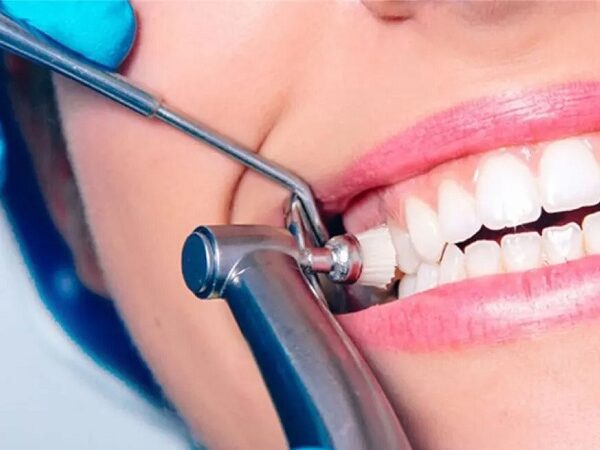
Once the material is in the perfect position, we use a special light to harden the resin in just seconds. The final step involves meticulous trimming, shaping, and polishing to give your new tooth a natural shine and smooth finish that looks and feels just like the real thing.
Benefits of Composite Fillings
Composite fillings offer several advantages:
Natural Appearance:
the resin is color matched to your tooth, the filling looks like part of the tooth. Even close up, it’s hard to tell where tooth ends and filling begins.
Good Durability:
Compared to other cosmetic procedures like veneers or crowns, dental bonding is one of the most budget-friendly ways to achieve a stunning smile transformation.
Quick Treatment:
composites cure with light, the entire procedure can be done in one visit. You go home the same day with a restored tooth.


How Composite Fillings Are Placed
Getting a composite filling is a straightforward process that usually takes place in one dental visit. Here are the typical steps:Numbing: The dentist injects a local anesthetic to numb the tooth and surrounding gum so you feel no pain during the procedure. (If you’re nervous, ask your dentist about sedation options – sedation dentistry can help anxious patients relax.)
Removing Decay: The decayed or damaged portion of the tooth is carefully drilled away. The dentist cleans the cavity to ensure no debris remains.
Tooth Preparation: The dentist may apply a mild acidic solution (etchant) to roughen the enamel surface. Then a bonding agent is applied to help the resin adhere securely. The tooth is kept dry (often with a rubber dam or cotton rolls) because moisture can interfere with bonding.
Filling Application: The composite resin is placed in the cavity in thin layers. Each layer is shaped to fit the tooth and then hardened (“cured”) with a special blue light. Layering the material helps it bond strongly and match the tooth’s contours.
Shaping and Polishing: Once filled and cured, the dentist shapes and polishes the filling so it looks smooth and natural. They will check your bite to make sure the filling fits comfortably with your other teeth.
Most patients find the experience quick and comfortable. After the procedure, any numbness in your lip or cheek wears off in about 2 hours, after which you can eat as usual – though it’s wise to avoid very hard or sticky foods on the new filling for the rest of the day. It’s normal to have slight sensitivity to hot or cold for a short time, but this usually goes away soon
Is Professional Teeth Whitening Safe for Your Teeth?
When performed under dental supervision, teeth whitening is a safe and controlled procedure. We use carefully selected whitening agents designed to lift stains without harming the enamel. Some patients may feel mild sensitivity right after treatment, but it is temporary and usually resolves quickly.
Before starting treatment, at Soft touch Dental always evaluate your teeth to ensure whitening is appropriate for you. Our approach is designed to balance strong results with maximum comfort.
Disadvantages Composite Fillings
Composite fillings also have some considerations to keep in mind:
Shorter Lifespan: On average, composites may not last as long as amalgam or gold fillings. Studies estimate 5–10 years for composites, versus 10–15+ years for silver fillings. If you grind your teeth or bite very hard, a composite might wear down faster.
Higher Cost: Composite resin is more expensive than amalgam material. Not all dental insurance plans cover composite fillings fully, especially on back teeth.
Longer Procedure: Placing a composite filling can take more time than amalgam because the tooth must stay dry and the resin is applied in layers. More time in the chair might be needed.
Technique Sensitive: The dentist must keep the tooth dry and bond the filling carefully. If saliva enters the area, the bond may fail and the filling could come loose. This is why you’ll often see a rubber dam or cotton rolls used during the procedure.
Potential Staining: Composite resin can stain or discolor slightly over the years if you smoke or drink a lot of coffee, tea, or red wine. Amalgam fillings don’t stain, so this is a cosmetic drawback of composites.

Meet Dr. Ali Fakhimi
Patients travel from across California to work with Dr. Fakhimi He is easy to talk to, pays close attention to detail, and consistently delivers great results.

Dental Financing Calculator
Here is why
we are #1 in SD
Frequently Asked Question
Still have a question? Call us — we’re happy to help.
Ready to get started?
Book online in under a minute, or call and we’ll find a time that fits.
Book Appointment(858) 274-8200How long do composite fillings last?
On average, composite fillings last 5 to 10 years. Good oral care can extend this. Factors like the size of the filling, where it is in your mouth, and habits (e.g. grinding teeth) affect longevity. If a filling wears down or chips, it should be replaced promptly.
Are composite fillings safe?
Yes. Composite resin has been used for decades and is considered safe. Unlike amalgam fillings, composites contain no mercury. Some studies have looked at whether the resin could affect surrounding tissues, but current evidence suggests any risk is minimal. Dentists follow strict protocols (proper curing with light, etc.) to ensure safety.
How do composite fillings compare to amalgam (silver) fillings?
Composite fillings are tooth-colored and blend in, while amalgam fillings are metallic gray. Amalgam is often more durable (lasting up to 10–15 years or more), but it requires more tooth removal and contains mercury. Composite fillings, by contrast, require less drilling and preserve more tooth. However, composites may need to be replaced sooner and can cost more. In many cases, dentists recommend composite fillings for visible teeth or smaller cavities because of their aesthetics and bond strength
How do I care for a tooth after getting a composite filling?
After a composite filling, maintain good oral hygiene: brush gently with a fluoride toothpaste, floss around the area, and use any mouthwash your dentist recommends. Avoid chewing on very hard foods (like ice or hard candy) with the new filling, at least for a day or two. If you had anesthesia, wait until feeling returns before eating.
Can I get tooth-colored composite fillings in San Diego?
Absolutely. Soft touch Dental in San Diego offer composite (tooth-colored) fillings as an option.
Restore your perfect smile and confidence with composite fillings in San Diego
Composite fillings in San Diego are becoming increasingly popular due to their durability and beauty. If you live in San Diego and are looking for tooth colored fillings, Soft Touch Dental has you covered.
If you are considering a filling, talk to us about composite fillings. We will explain how this procedure can meet your needs and preserve the beauty of your smile.