





Endodontics in San Diego: Pain Relief & Saving Your Natural Teeth
If you’re dealing with a painful, infected, or decaying tooth, you may need a root canal. The most common endodontic procedure is root canal therapy, which removes damaged pulp tissue and seals the tooth to relieve pain. Soft Touch Dental In downtown sd, use modern techniques to make these treatments comfortable and effective

Signs You May Need
Root Canal Theraphy
If you are experiencing any of the following symptoms, it may be a sign that you need endodontic treatment:
- Severe, spontaneous tooth pain or pain that wakes you up at night.
- Prolonged sensitivity to hot or cold temperatures, even after the source is removed.
- Swelling and tenderness in the gums around a specific tooth.
- A pimple-like bump on the gums near the painful tooth.
- Darkening or discoloration of a tooth.
What Is Root Canal Treatment?
Endodontics is the branch of dentistry focused on diagnosing and treating problems inside a tooth, especially the dental pulp and root tissues. It aims to save infected or injured teeth rather than remove them.
Endodontic dentistry (endodontics) deals with the tooth pulp and root canal system. The pulp is the soft inner tissue inside a tooth that contains nerves and blood vessels. When this tissue becomes inflamed or infected (due to decay, trauma, cracks, etc.), endodontic treatment is needed to save the tooth.
In essence, the goal of endodontic treatment is to clear out infection and protect the interior of the tooth, preserving its structure. General dentists can perform basic root canals, but endodontists have specialized training. They are often referred to as “tooth-saving specialists” because they focus exclusively on treating the inside of teeth
. Their advanced training and tools allow them to handle difficult cases more effectively.
The Gentle Root Canal Process
Thanks to modern dentistry, a root canal is a straightforward and often painless procedure. In fact, it’s very similar to getting a filling. Our top priority is to ensure your comfort every step of the way.
Examination & Anesthesia
We will begin with a thorough examination, including X-rays, to confirm the diagnosis. We will then use a local anesthetic to completely numb the area, so you feel nothing during the procedure.

Removing the Infection
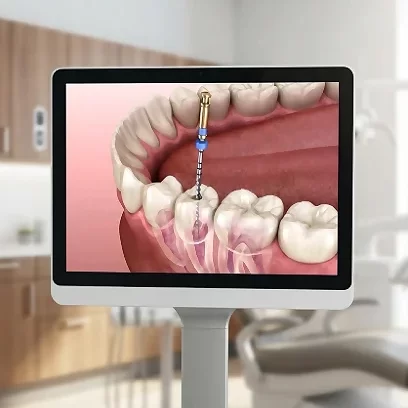
We create a small opening in the tooth to access the infected pulp and nerve. Using specialized instruments, we carefully clean out the infected tissue.
Filling & Sealing
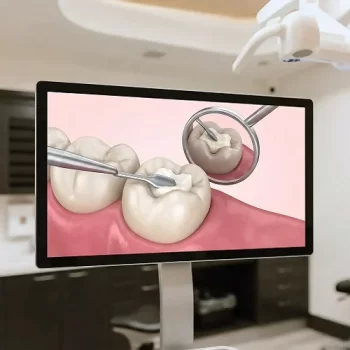
Once the inside of the tooth is completely clean, it is disinfected, filled with a rubber-like material, and sealed to prevent any future infection.
Restoration
In most cases, the tooth will need a crown to protect it from fracture and restore its full function.

Root Canal Myths: Busted!
Don’t let outdated ideas about root canals keep you from the pain relief you need.Myth: Root canals are a painful procedure.
Fact: The pain you feel comes from the infection, not the procedure. A root canal is designed to relieve that pain. With modern anesthesia and techniques Like Sedation Dentistry, the procedure itself is often no more uncomfortable than getting a simple filling.
Myth: It's better to just pull the tooth.
Fact: Saving your natural tooth is almost always the best option. A dental implant or bridge is a great solution, but it can never be as effective as your natural tooth. Root canal treatment allows you to keep your tooth, which is essential for proper chewing and maintaining your jawbone structure.
Myth: Root canals cause other illnesses.
Fact: This is a debunked myth from decades ago. Reputable scientific studies have shown no link between root canals and other systemic diseases.


When is Endodontic Treatment Needed?
Endodontic treatment is usually required when tooth decay or injury reaches the pulp. For example, an untreated deep cavity or a cracked tooth can allow bacteria to infect the pulp. At this point, the infection can spread and cause an abscess at the root tip. Common signs that you may need a root canal include:
Severe tooth pain: especially when biting or applying pressure.
Sensitivity to hot or cold: that lingers after the stimulus is removed.
Swelling or discoloration of gums: or the face near the affected tooth.
How Root Canal Therapy Works
Root canal therapy usually takes place in a few stages. First, the dentist will numbs the tooth with a local anesthetic to ensure comfort. Then an opening is made in the tooth to access the pulp chamber. The damaged pulp tissue is removed, and the root canals are thoroughly cleaned, shaped, and disinfected.
Next, the canals are filled with a rubbery material called gutta-percha and sealed with dental cement. Finally, a temporary filling is placed and later replaced by a permanent crown or filling to restore the tooth’s function. This complete process typically requires one or more visits. Because each tooth and canal anatomy is unique, an endodontist’s training and technology (like microscopes) help ensure all infected tissue is cleaned out. Modern root canals are designed to be painless: the goal is to eliminate infection and pain, not to cause it
Advantages of Endodontic Treatment
Save Your Natural Tooth: Root canal treatment preserves the original tooth, which is ideal for appearance and function. Nothing artificial feels quite like a natural tooth. Keeping your own tooth also prevents bone loss in the jaw that occurs after extraction.
High Success Rate: Modern root canals work about 90–97% of the time, meaning most treated teeth are saved long-term.
Pain Relief: By removing the infected pulp, endodontics quickly eliminates the source of a toothache. Root canals are designed to relieve pain, not cause it.
Cost and Time Efficiency: Treating a tooth with a root canal is usually less expensive and quicker than extracting the tooth and replacing it with an implant or bridge. You generally avoid multiple surgeries and the expense of a prosthetic.
Improved Comfort: Endodontists use advanced anesthesia and techniques to keep you comfortable. Most patients report no more discomfort than a routine filling.
Disadvantages and Limitations
Recovery Discomfort: After a root canal, it’s normal to feel some tenderness or mild soreness as the anesthetic wears off. Over-the-counter pain relievers usually handle this. Rarely, severe pain or swelling can occur; in that case, you should contact your dentist immediately.
Multiple Visits: Some cases (such as retreatment or complex canals) may require more than one appointment.
Tooth Fracture Risk: A treated tooth can be more brittle. That is why a crown is often recommended afterward to strengthen the tooth.
Failure or Re-treatment: About 10% of root canals may eventually fail or get reinfected, requiring retreatment or surgery. Keeping good oral hygiene and timely follow-ups with your dentist reduce this risk.
Not Always a Cure-All: In very severe cases (extensive decay, resorption, or root fracture), a root canal might not save the tooth and extraction becomes necessary.

Meet Dr. Ali Fakhimi
Patients travel from across California to work with Dr. Fakhimi He is easy to talk to, pays close attention to detail, and consistently delivers great results.

Dental Financing Calculator
Here is why
we are #1 in SD
Frequently Asked Question
Still have a question? Call us — we’re happy to help.
Ready to get started?
Book online in under a minute, or call and we’ll find a time that fits.
Book Appointment(858) 274-8200Will a root canal hurt?
How long does the procedure take?
What is the recovery time like?
Do all teeth that have a root canal need a crown?
How much does a root canal cost?
Advanced Root Canal Treatment for Lasting Dental Health
If you experience persistent tooth pain, swelling, or sensitivity, don’t delay seeking care. Early treatment means a higher chance of saving the tooth and avoiding more complex procedures later.
Contact our San Diego endodontist for an evaluation. Soft Touch Dental will help you maintain a healthy, pain free smile.