





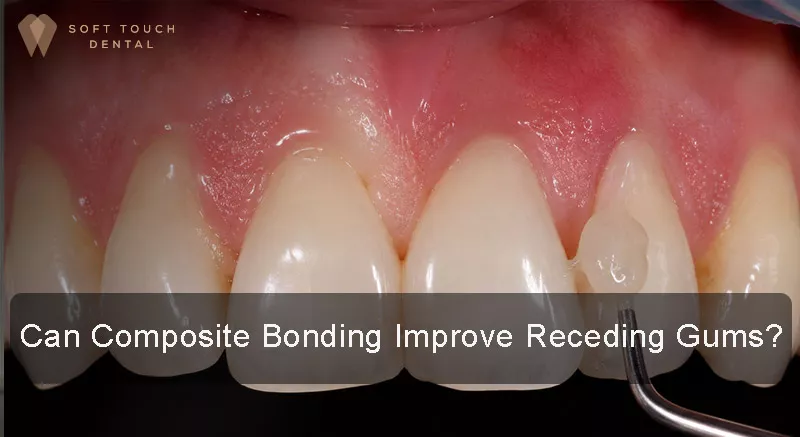
Composite bonding for receding gums is a cosmetic treatment that covers exposed tooth roots with a tooth‑colored resin, reducing sensitivity and improving smile appearance. It offers a quick, minimally invasive way to camouflage mild gum recession, but it does not regrow gum tissue or cure periodontal disease. dental bonding does protect and improve the appearance of receding gums, but it only addresses the symptoms, not the cause.
How Composite Bonding Helps Treat Receding Gums
Composite bonding for receding gums involves applying a tooth-colored resin over the exposed root surface. The resin acts as a barrier, shielding the sensitive dentin from temperature changes and decay. In practice, the dentist cleans the receded area and roughens the surface slightly before adding a putty-like composite that matches your tooth (or even gum) color. A special curing light hardens the material, and then the area is polished smooth. Immediately after treatment, many patients notice a smoother gum line and significantly less sensitivity, since the resin seals the nerve endings on the root.
Bonding is often done in one short visit (about 30–60 minutes per tooth) and is usually painless, often requiring no anesthesia. dentist can complete dental bonding in just one office visit” and cover exposed tooth roots with resin to protect them. In essence, composite bonding covers the long tooth look created by receding gums and gives an immediate cosmetic fix without the recovery time of surgery.
Benefits of Composite Bonding for Gum Recession
Composite bonding offers several practical benefits for patients with mild to moderate gum recession:
Reduced Sensitivity
By covering the exposed roots, bonding insulates the tooth from hot, cold, or sweet stimuli, and pain from severe sensitivity is reduced shortly after the procedure. This happens because the resin seals off the tiny tubules in the dentin that transmit sensation to the nerve.
Improved Appearance
Tooth-colored resin covers dark root areas, restoring a more even gum line and whiter appearance. The bonded area blends with your tooth, so even in cases of severe recession, a small gum-colored resin can make your gums look healthy.
Non-surgical and Fast
Unlike gum grafting, bonding is non-invasive. There are no incisions or stitches, and most people experience little to no discomfort. Because resin can be placed in one session, it provides immediate results – many patients see visible improvement within minutes.
Conservative and reversible
Minimal tooth structure is removed (usually none), and because composite bonding is reversible, future treatments (if needed) are still possible.
Dual protection
In addition to aesthetics, resin actively protects the roots from decay. Uncoated roots are prone to decay and erosion. Bonding covers the vulnerable surface with a protective layer similar to a filling, helping to prevent further dental problems.
Limitations and Considerations dental bonding
While composite bonding is useful, it has important limitations:
- Does not fix the cause: Bonding cannot regrow lost gum tissue or halt periodontal disease. It simply covers the problem area. If an underlying cause (like aggressive brushing or gum disease) isn’t addressed, recession can continue beneath or beside the bonded area.
- Lifespan: Composite resin typically lasts about 5–8 years on gum line work. After that, it may chip, wear, or stain. Good care (gentle brushing and avoiding stain-causing habits) can extend its life, but expect touch-ups or replacement over time.
- Maintenance: Bonded resin can pick up stains from coffee, tea or smoking more easily than natural enamel. It also requires careful oral hygiene improper brushing or flossing technique around the bonding can lead to plaque buildup or even further recession. In some cases, a poorly fitting bond edge (a ledge) can trap bacteria and worsen gum health.
- Suitability: Bonding is mainly for mild to moderate recession with healthy gums. If the recession is severe or the gum tissue is inflamed, a dentist will likely recommend gum disease treatment first.
- Not a permanent fix: Ultimately, bonding is a cosmetic cover. For more permanent tissue regeneration, gum grafting or advanced surgeries are needed.
Composite Bonding vs. Other Treatments
When gums recede, dentists consider various options:
Gum Grafting (surgery): Grafting (or the newer pinhole technique) uses your own tissue to actually rebuild the gum line. It’s a more complete fix for advanced cases, often lasting a lifetime if done well. However, it is invasive, costly, and requires healing time. Patients must have sufficient donor tissue and be prepared for a surgical recovery.
Pinhole Surgical Technique: A minimally invasive grafting alternative where existing gum is loosened and repositioned. It regenerates tissue without a second surgical site, but still requires specialized skill and some downtime.
Desensitizing Treatments: For mild sensitivity, dentists might first try fluoride varnishes or sealants on the roots, or bonding agents. These can reduce pain but do not improve appearance.
Porcelain Veneers or Crowns: If esthetics are the main issue and the recession is minor, veneers or crowns can lengthen the tooth and hide roots. These are more invasive and costlier than bonding.
Orthodontics: In some cases, moving the teeth (braces) can improve gum position or reduce tension on gums, potentially slowing recession.
Oral Hygiene Changes: Often the simplest step is to switch to a softer toothbrush and gentle brushing technique, which can sometimes halt progression and let gums heal slightly on their own.
composite bonding is favored for its speed, low cost, and comfort. But for severe recession or when long-term regeneration is needed, gum grafting is still the gold standard. The choice depends on your individual case and priorities.
Read More: Venner vs bonding: What,s the difference?
Who is a good candidate and what to expect?
Patients with healthy, stable gums and mild gum recession are usually good candidates for bonding. The dentist will assess the health of the gums and the extent of gum recession. If there is no active gum disease and only a small area is visible, bonding can be an ideal cosmetic solution. This procedure is especially appealing to those looking for immediate results and avoiding surgery.
Conclusion
Composite bonding for receding gums is a useful, minimally invasive way to cover exposed roots, ease sensitivity, and improve smile aesthetics. It works best in mild to moderate cases when gum health is otherwise good. Unlike gum grafting, bonding does not regenerate tissue, but it delivers quick, affordable results and can make a significant difference in comfort and confidence. With gentle aftercare and regular checkups, it can be an effective part of your overall treatment plan for receding gums.
FAQs
Does composite bonding help receding gums?
Yes, but only cosmetically. Bonding covers exposed roots, so teeth feel less sensitive and your smile looks more even.
How long does composite bonding last for gum recession?
Typically 5–8 years with proper care. The exact lifespan depends on your oral habits and bite forces. It’s not permanent like a surgical graft, but it can be replaced easily when needed.
Is bonding better than gum grafting?
They serve different needs. Bonding is better for mild cases or patients who want a quick, non-surgical fix. Gum grafting is a better choice for severe recession, as it actually rebuilds tissue and often lasts longer.
Can I get bonding if I have gum disease?
Not until gum disease is under control. Active inflammation or infection must be treated first. Bonding needs a healthy, stable gum foundation to last.
What should I do if I notice more recession?
Maintain excellent hygiene and schedule a dental check-up. Early recession can sometimes be stabilized with topical treatments or minor bonding, but more advanced cases might require grafting.