





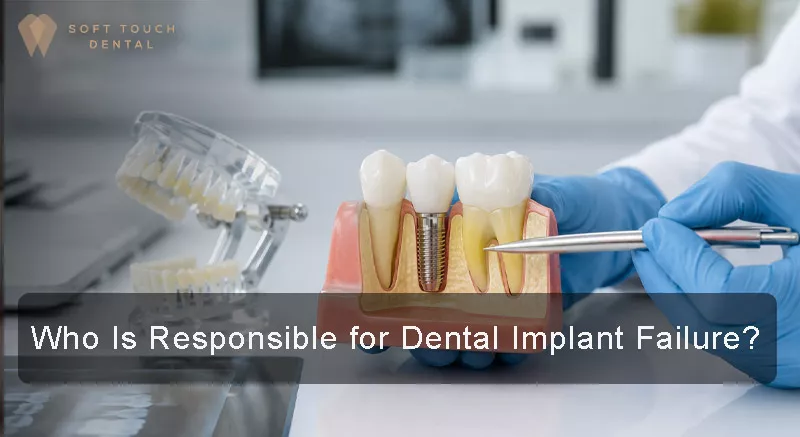
Dental implant failure can be distressing, and many patients naturally ask themselves Who is responsible for a dental implant failure? The answer depends entirely on the underlying cause. In general, the success of an implant is a shared responsibility between the doctor and the patient. If the failure is due to surgical errors such as improper placement, poor planning, or lack of sterility, the dentist or surgeon is at fault. However, if the failure is due to patient-related factors such as poor oral hygiene, smoking, or unmanaged health conditions, the patient is responsible. Rarely, a defective implant component or an unpredictable biological factor may be to blame.
Who is responsible for dental implant failure?
Depending on the cause of implant failure, liability can lie with different parties. Dental professionals (oral surgeons, periodontists, prosthodontists) must provide proper planning, placement, and follow-up. If a doctor makes a serious error, such as placing the implant at the wrong angle, failing to assess bone quality, or failing to use sterile techniques, they may be held responsible for the treatment failure. Conversely, patients are responsible for following post-operative instructions and maintaining good oral hygiene. Habits such as smoking or not seeing a doctor for follow-up can lead to complications (such as infection or implant overload) in which case the patient is to blame. In practice, most implant failures are caused by a combination of factors.
The Dentist’s Responsibility
The success of dental implant treatment depends largely on careful planning and proper execution by the dentist. Before surgery, the dentist should thoroughly evaluate your oral health, assess the quality and volume of your jawbone using X-rays or a 3D CBCT scan, and review the condition of your gums as well as your medical history. If the bone or gum tissue is not suitable for implant placement, additional procedures such as bone grafting or other preparatory treatments should be recommended before moving forward.
During the procedure, following established surgical protocols and using the correct technique are essential. Precise implant positioning, minimizing trauma to the surrounding bone, and preventing excessive heat buildup while preparing the implant site all play a critical role in achieving successful osseointegration and long-term implant stability.
A dentist’s responsibility also extends beyond the surgery itself. Providing clear post-operative instructions, scheduling appropriate follow-up visits, and educating patients about proper aftercare such as avoiding pressure on the implant during the initial healing period and maintaining excellent oral hygiene are all essential parts of successful treatment. If these standards are not met and implant failure results from errors in diagnosis, treatment planning, or surgical execution, the responsibility rests with the treating dentist.
Patient Responsibility
Patients also play a key role. You should keep your mouth healthy before and after your implant. This means quitting or cutting down on smoking and controlling any medical conditions, such as diabetes, that can affect bone healing. After surgery, you should carefully follow your dentist’s aftercare instructions: avoid eating hard foods over the implant, brush and floss gently, and don’t miss any follow-up visits. Neglecting oral hygiene or not seeing a doctor can lead to infection (peri-implantitis) or implant overload, and the patient will be held responsible for these failures.
Manufacturer and other factors
The quality and brand of a dental implant can significantly influence its long-term success. For example, using the best dental implants from reputable manufacturers with internationally recognized certifications helps reduce the risk of complications related to manufacturing defects or poor-quality materials. In contrast, counterfeit or substandard implants may increase the likelihood of implant failure and other long-term complications.
The Dentist’s Role in Implant Success
The long-term success of a dental implant depends largely on the dentist’s knowledge, experience, and careful treatment planning. Every stage of treatment from the initial evaluation to post-operative care plays a vital role in achieving a successful, long-lasting result. If an implant fails because of an incorrect diagnosis, poor treatment planning, or errors during the procedure, the responsibility for that failure rests with the treating dentist.
- Diagnosis and Treatment Planning: Before surgery, the dentist should evaluate your oral health, assess the quality and volume of your jawbone using X-rays or a 3D CBCT scan, and treat conditions such as gum disease. When necessary, procedures like bone grafting should be completed before implant placement.
- Surgical Technique: Precise implant placement, proper surgical technique, and strict infection control are essential for successful osseointegration and long-term implant stability.
- Restoration Design: The implant crown or prosthesis should be designed to distribute biting forces evenly. A poorly designed restoration can place excessive stress on the implant and increase the risk of failure.
- Post-Operative Care: Dentists should provide clear aftercare instructions, educate patients on proper oral hygiene, and schedule follow-up appointments to monitor healing and address any concerns.
Following these professional standards is essential for successful implant treatment. If a dentist fails to meet these standards and the implant fails as a result, the responsibility lies with the treating dentist.
Patient’s Role in Implant Success
Patients also share responsibility for keeping the implant healthy. Key patient duties include:
- Oral Hygiene: Brush and floss around the implant daily. Good hygiene prevents infections like peri-implantitis, a major cause of late implant failure.
- Lifestyle Factors: Quit smoking or significantly reduce tobacco use. Smoking seriously hinders healing and greatly raises the risk of implant failure. Similarly, drink alcohol in moderation and control health issues (e.g. diabetes) that can impair bone healing.
- Aftercare Compliance: Follow your dentist’s post-op instructions to the letter. This often means eating soft foods for a period, avoiding chewing on the new implant, and taking any prescribed medications.
- Medical Disclosure & Check-ups: Tell your dentist about your full medical history (medications, illnesses, etc.) beforehand. Attend all follow-up appointments so any warning signs (like bone loss or infection) can be caught early.
skipping hygiene or smoking after surgery often leads to infection around the implant. In those cases, the patient is considered responsible for the failure, since the required care was not given.
Read More: Causes of Bad Breath After Implants Surgery
Manufacturer and Other Factors Role in Implant Success
While dentist and patient actions account for most failures, sometimes other factors are involved:
Implant Defects: On very rare occasions, the implant hardware itself can be flawed. For example, a low-quality or counterfeit implant might break or fail to bond. If this occurs, the manufacturer or supplier could be at fault.
Allergies & Materials: Allergic reactions to implant materials (titanium allergies affect only about 0.6% of people) can cause failure, in which case neither patient nor dentist is truly at fault, though they should discuss any known sensitivities beforehand.
Biological Variability: Some factors are simply unpredictable. Changes in bone density with age, unexpected immune responses, or other medical issues might lead to late failure even with proper care. In such cases, no one is clearly to blame, but a thorough clinical assessment is needed to explore causes.
Steps After a Dental Implant Failure
When a dental implant fails, it is often not clear who is at fault. A thorough evaluation (including imaging and medical history) can help identify the cause. If you suspect a dentist made a mistake or was negligent, for example, by placing it incorrectly or failing to recognize the problem, patients may want to seek a second opinion or legal advice. However, it is important to remember that even properly placed implants can fail due to patient-related factors.
If you experience symptoms of implant failure (pain, swelling, loosening), you should contact your dentist immediately. They can remove the failed implant before it causes further damage to the jawbone. After the implant is removed, the cause can be addressed: for example, bone grafting can rebuild the lost bone, and after sufficient healing, a new implant can be placed. If the patient’s habits contributed to the failure, make changes (quitting smoking, improving hygiene) before reimplanting.
Conclusion
Dental implant failure is relatively rare, but when it happens, identifying who is responsible depends on the underlying cause. In most cases, dentists are responsible for surgical planning and technique, while patients are responsible for proper home care and lifestyle choices. Manufacturers may be at fault in very rare situations involving defective materials. The best way to avoid disputes is to work with an experienced implant team, follow all care instructions closely, and maintain open communication. If an implant fails, consult your dentist promptly to determine why it happened and discuss the best corrective options.
FAQs
Can a dentist be held responsible if a dental implant fails?
Yes, but only if the failure was caused by the dentist’s negligence or error. If the dentist failed to properly plan the case (like not checking bone density) or made a technical mistake (incorrect implant placement, poor technique), they can be deemed responsible. If these errors directly led to failure, patients may have grounds to seek compensation.
What patient actions contribute to implant failure?
Patients must maintain good oral care and healthy habits. Factors like smoking, poor oral hygiene, skipping dental visits, and certain medical conditions (diabetes, osteoporosis) can significantly raise the risk of implant failure. Failing to follow post-op instructions (chewing too soon, neglecting medications) also causes complications. When these issues lead to failure, the patient is considered responsible for not following care guidelines.
How can a failed implant be prevented?
Dentists should use thorough planning and advanced techniques to place the implant precisely. Patients should follow instructions: quit smoking, maintain excellent oral hygiene, and attend all follow-ups.
What if an implant fails due to reasons beyond control?
Some failures occur despite everyone doing the right thing. For example, late-stage peri-implantitis (gum disease around the implant) can happen even with good hygiene, or an unforeseen allergic reaction might occur. In such cases, responsibility isn’t clear-cut. Treatment focuses on removing the failing implant, addressing the issue (e.g. cleaning infection, bone grafts), and trying again under better conditions. Legally, if no negligence can be proven, this is considered a risk of the procedure rather than anyone’s fault.
Who covers the costs when an implant fails?
It depends on the situation. If the failure is due to patient neglect (like ignoring care), the patient would generally pay for any corrective treatment. If the dentist’s error is proven, the dentist’s insurance or the practice might cover the costs. In some cases, dental insurance may cover part of the replacement costs.