
Many people wonder whether smoking can stain porcelain veneers. The short answer is no. Porcelain veneers themselves are highly stain-resistant. However, smoking can still affect the appearance of your smile. Nicotine and tar can discolor the bonding material and the natural tooth surfaces around the veneers. In this article, we’ll explain why porcelain veneers are stain-resistant, how smoking can indirectly affect their appearance, and what smokers or vapers can do to keep their smiles bright. We’ll also cover related topics, such as when it’s safe to smoke after dental procedures, including dental implants, and explain why San Diego veneer clinics emphasize the use of stain-resistant ceramic materials for long-lasting white teeth.
Does smoking stain porcelain veneers?
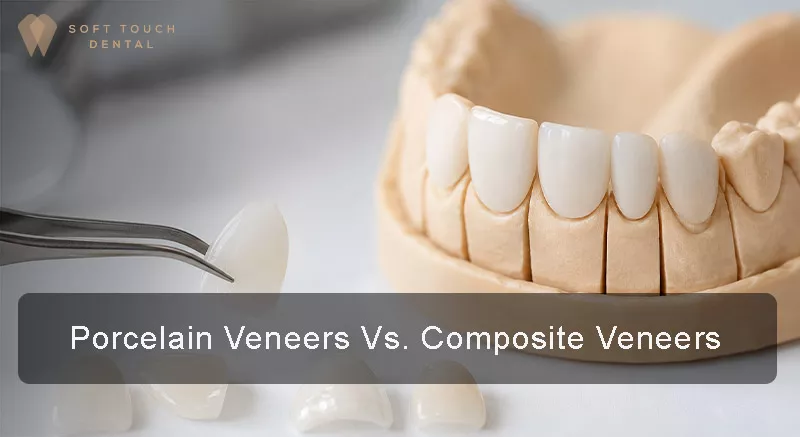
Porcelain veneers are made of a shiny ceramic that is resistant to stains. In fact, dentists note that high-quality porcelain veneers can resist stains from coffee, tea, and cigarettes. Porcelain is less porous than tooth enamel, so it doesn’t absorb tannins or tar like natural teeth. Even a hFeavy smoker will find that their porcelain veneers stay as white as day one.
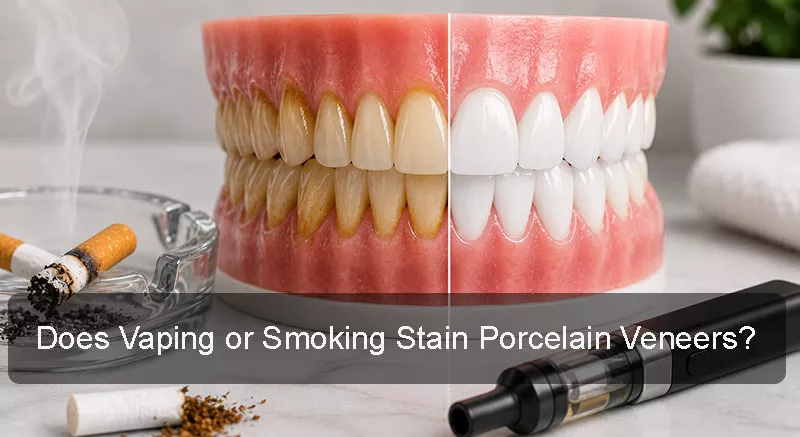
Porcelain veneers are custom-made in precise shades to match your teeth. Their smooth, glazed surface makes them highly resistant to stains. For example, cosmetic dentistry guidelines explain that the glazed ceramic layer of veneers acts as a protective barrier against nicotine and tar. This means that smoking does not directly change the color of porcelain veneers themselves. In other words, the answer to does smoking stain veneers is no, the veneer material remains white under typical smoking habits.
Yellowing of Natural Teeth and Veneer Margins
It’s important to remember that veneers only cover the front surface of your teeth. Any exposed enamel (such as the lingual side of the tooth) can still stain like natural teeth. Porcelain veneers do not prevent your natural teeth from staining. If you smoke, the areas of your teeth that are not veneered will darken over time. This mismatch can make the veneers appear lighter than the surrounding teeth and draw attention to any yellowing elsewhere.
Another factor is the bonding cement that holds the veneers in place. Although the porcelain itself resists discoloration, the dental adhesive used to attach the veneers can attract stains. The cement or composite on the edges of the veneers can gradually turn yellow if exposed to tobacco. Smoking causes brown edges around veneers because the adhesive absorbs tar. Over time, small gaps between the veneers and teeth can allow tar to build up, creating a brown pattern on an otherwise white smile.
In short, porcelain veneers themselves do not turn yellow from smoking, but nicotine can stain the bonding lines and the natural teeth around them. Smoking is also a leading cause of gum problems. Over time, gum recession caused by smoking can expose the bonding lines and root surfaces to stains.
How Vaping Affects Porcelain Veneers
Vaping releases nicotine in the form of a vapor and can have similar effects to smoking in the mouth. E-cigarette vapor contains nicotine and other chemicals that can dry out saliva and encourage bacteria that lead to plaque and stains, just like smoking does.
The bottom line: Does vaping stain veneers? It’s safe to assume that yes. Both smoking and vaping leave residue on your teeth and gums. Smoking and vaping stain veneers and compromise gum health. In short, if you’re curious, can you vape with veneers? The advice is the same as smoking: avoid it.
Can I Smoke After Getting Veneers?
After receiving new veneers, the bonding cement needs time to fully harden. Dentists recommend waiting at least a couple of days before smoking. Soft Touch Dental advises their patients to wait at least 48 hours after veneer placement before lighting up. This allows the adhesive to set securely. If you smoke too soon, you risk interfering with the bond and leaving fresh residue on the veneers.
For comparison, patients getting other dental work often ask when can i smoke after dental implant. The advice is similar: give your mouth a few days to heal before reintroducing smoke. In any case, even after the initial healing period, most cosmetic dentists will strongly discourage habitual smoking with veneers.
Maintaining Veneers While Smoking or Vaping
Even if veneers are stain-resistant, smokers need to be extra diligent with oral hygiene and maintenance. Here are some top tips that dentists share for smokers to keep veneers bright:
Good Brushing and Flossing: Brush twice daily with a soft-bristled brush and a non-abrasive toothpaste. Floss every day to remove plaque along the gum line. These habits prevent sticky tar and plaque from setting on the teeth.
Use Gentle Toothpaste: Avoid whitening or gritty toothpastes on veneers, since they can scratch the surface. The best toothpaste for veneers (and smokers) is a gentle, non-abrasive formula.
Rinse After Smoking: Rinse your mouth with water or chew sugar-free gum immediately after each cigarette or vape. This simple trick washes away loose tar before it sticks to the veneer margin. It may sound tedious, but it can slow down staining.
Regular Professional Cleanings: Get dental cleanings every 3–6 months. A hygienist can polish veneers and remove any surface stains on the edges. Professional polishing helps restore the original shine that brushing alone can’t.
Don’t Bite on Hard Objects: Avoid chewing ice, pens, or other hard items with veneers to prevent micro-scratches or cracks. Scratches on the surface can act like traps for tar, dulling the veneer.
The best way to protect veneers is to reduce or quit smoking altogether. Many dentists recommend smoking cessation not only for veneers, but for overall oral health.
Are smokers good candidates for veneers?
Yes, smokers can get porcelain veneers, but with certain conditions. Dentists will check your gum health and treat any underlying conditions before getting veneers. Smokers can get veneers, but smoking after getting them is never recommended. The main reason is that smoking weakens your gums and blood flow, which can loosen the bond and lead to staining over time.
If you are a smoker and are considering veneers, expect your dentist to emphasize good oral hygiene. They may warn that continuing to smoke will mean more frequent cleanings and earlier fillings. Ultimately, the decision will depend on your commitment to caring for your veneers and your desire to quit or cut down on smoking.
Conclusion
smoking does not stain porcelain veneers themselves, but it can affect the overall appearance of your smile by discoloring the bonding material, staining nearby natural teeth, and increasing the risk of gum disease. With good oral hygiene, regular dental visits, and reduced tobacco use, you can keep your veneers looking bright for many years.
FAQs
Will smoking cause my porcelain veneers to turn yellow?
No, usually. Porcelain veneers themselves stay white because their enamel surface repels stains. However, smoking can darken the edges of the veneers (cement and underlying teeth) and your other teeth, which may make the veneers appear yellow against the background.
Can vaping stain veneers like smoking does?
Yes. Vaping exposes your teeth to nicotine and other chemicals just like cigarettes, so it can cause similar problems. Dentists recommend avoiding vaping with veneers because the vapor residue can still cause staining and dry mouth.
How long after getting veneers can I smoke?
You should wait at least 48 hours before smoking after getting veneers. This will allow the bonding cement to dry completely. Even then, it’s best to minimize smoking to protect your bonding and gums.
What if I notice stains on my veneers?
Porcelain veneers cannot be whitened like natural teeth. If superficial stains appear, in-office cleaning or polishing can help remove them. If the problem is deeper (such as stained cement), you may need to see a dentist to replace or reattach the veneers.
Are smokers still candidates for veneers?
As long as their gums and teeth are healthy, they can be candidates. Dentists often urge smokers to maintain good oral hygiene and recommend quitting smoking.