




Expert Wisdom Teeth Removal San Diego: Easy Recovery
Dealing with wisdom tooth pain isn’t something you need to put off, especially when there isn’t enough room for them to come in properly, which can lead to swelling, pressure, or even infection. At Soft Touch Dental in San Diego, our team handles same-day wisdom tooth removal in a calm, caring setting. Using modern techniques, we keep the procedure safe and gentle, with care taken at every step to make sure you’re comfortable during the visit and recover smoothly afterward.
What Are Wisdom Teeth?
Full Mouth Dental Reconstruction is performed when patients have severe dental problems affecting both jaws and require a combination of restorative, implant, cosmetic, and occlusal treatments to restore proper function and bite alignment.
Living with a painful or unsuccessful smile can be a frustrating and isolating experience. Full mouth rehabilitation is a completely personalized treatment plan designed to restore or replace all of your upper and lower teeth.
Signs You Need Wisdom Teeth Removal
Wisdom teeth often begin causing problems slowly, and many patients don’t realize the symptoms are connected to their third molars. If you notice any of the signs below, it may be time to consider wisdom teeth removal before the issues become more serious.Common symptoms include:
- Jaw pain or pressure in the back of the mouth
- Swollen or irritated gums around the last molars
- Crowding or shifting teeth
- Frequent headaches or ear discomfort
- Bad breath or a bad taste caused by trapped bacteria
- Difficulty opening your mouth fully
- Food getting stuck behind partially erupted teeth
These symptoms often indicate that third molars don’t have enough room to grow, are erupting at an angle, or are becoming impacted. Identifying these early warning signs helps prevent infections, damage to nearby teeth, and more complex extractions later on.
What Happens If You Don’t Remove Impacted Molars
If impacted or partially erupted wisdom teeth are left untreated, they can gradually cause pain, gum inflammation, and recurring infections. Due to limited space, they often put pressure on adjacent teeth, leading to misalignment or even damage to their roots. Cleaning this area is also difficult, which increases the risk of tooth decay and bacterial buildup. In some cases, cysts or more serious issues may develop in the jawbone, making treatment more complex. As a result, delaying removal can lead to more costly and complicated wisdom tooth treatment later on. If you’re unsure whether extraction or careful monitoring is the better choice, our guide on wisdom teeth removal vs. retention walks through the pros and cons of each option.
Learn more about InvisalignWisdom Tooth Removal Process
Wisdom tooth surgery is typically performed on an outpatient basis and rarely requires general anesthesia unless the case is complex. The procedure begins with local anesthesia or sedation to ensure comfort and reduce anxiety. If needed, small incisions are made in the gum, and the tooth is gently removed, sometimes in sections for easier extraction.
Complete Check-Up
We start with a quick exam to check the health of your teeth and gums, identifying any areas of concern.

Gentle Tartar Removal
Using specialized tools, we carefully and comfortably remove all plaque and tartar from your teeth and just below the gumline.
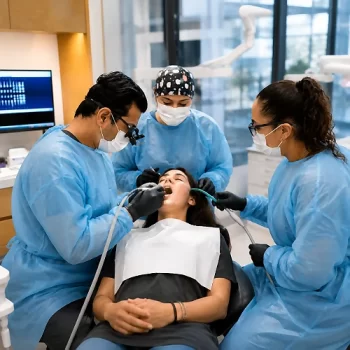
Final Polish
Next, we use a polishing brush and paste to buff away any surface stains, leaving your teeth incredibly smooth and bright.
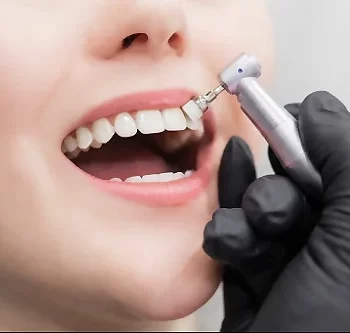
Flossing & Guidance
We finish by flossing between your teeth and offering tips on how to improve your daily oral hygiene routine at home.

Risks and Recovery Time After Wisdom Tooth Extraction
Wisdom tooth extraction, like any other dental surgery, carries certain risks. Most patients require 2 to 3 days of complete rest to reduce swelling and support recovery. The most common complication is dry socket, which occurs when the protective blood clot becomes dislodged, often due to smoking or using a straw too soon. In rare cases, temporary nerve or sinus irritation may also occur. However, these risks can be significantly minimized by carefully following post-operative instructions. At Soft Touch Dental in San Diego, we prioritize patient safety and provide detailed guidance to ensure a smooth and comfortable recovery.
What Can I Eat After Wisdom Tooth Removal?
After wisdom tooth removal, it is important to choose soft, easy-to-eat foods that do not irritate the surgical area. During the first few days, foods like yogurt, soup, mashed potatoes, and smoothies are ideal as they require minimal chewing. It’s best to avoid hot, spicy, crunchy, or hard foods, as they can cause discomfort or disrupt the healing process. Staying hydrated is also essential, but using a straw should be avoided as it can dislodge the blood clot and delay healing. As recovery progresses, you can gradually return to your normal diet based on your comfort level.
Types of Impacted Wisdom Teeth
A wisdom tooth impaction occurs when the third molars don’t have enough room to fully erupt through the gums or grow into a healthy position. Impacted wisdom teeth can grow at different angles and depths, which is why dentists classify them into several types based on how the tooth sits within the jawbone and gum tissue, including
Soft tissue impaction
The most common type is soft tissue impaction, in which part of the tooth protrudes through the gum while the rest is trapped beneath the tissue, often resulting in irritation, swelling, and difficulty cleaning the area.
Partial bone impaction
A partial bone impaction occurs when a tooth is partially impacted in the jawbone, increasing the risk of infection, decay, and gum disease around nearby teeth.
Complete Bony Impaction
In a complete bony impaction, the wisdom tooth remains completely encased in the jawbone and may require a more complex surgical extraction. Some wisdom teeth also grow in at abnormal angles, such as horizontal impaction, in which the tooth presses laterally against the adjacent molars, potentially causing crowding, pain, and damage to adjacent teeth.
When Is the Right Time for Wisdom Teeth Extraction?
Wisdom teeth often don’t have enough room to grow correctly. When they become impacted or come in at the wrong angle, they can cause a number of painful and serious problems. If you're experiencing jaw pain, swelling, or noticing a shift in your other teeth, it may be time to consider wisdom teeth removal.
The ideal time to remove wisdom teeth is usually in the late teens to early twenties, when roots are not fully formed and the surrounding bone is softer, making the procedure and recovery easier. Early removal can prevent potential problems such as impaction, pain, and crowding, while also shortening recovery time and reducing post-operative discomfort.
Is Wisdom Teeth Surgery Painful?
Many patients in San Diego worry that wisdom teeth extraction will be painful, but the procedure itself is not painful at all. Thanks to modern anesthesia and sedation techniques, you will not feel any pain during the extraction. Your oral surgeon will use local anesthesia to ensure that the area is completely numb, and depending on your case, additional sedation options may be used to help you relax and be comfortable during the procedure. You may feel some pressure when the tooth is extracted, but this should not be painful. After the procedure, it is normal to experience mild to moderate discomfort, swelling, or bleeding for a short time. Most patients are surprised to find that wisdom teeth extraction is much easier and more comfortable than they expected, especially when performed by an experienced oral surgeon at Soft Touch Dental.
How Long Does It Take to Recover from Wisdom Tooth Removal
Recovery from wisdom tooth removal typically takes a few days to a couple of weeks, depending on the complexity of the extraction and the individual’s healing process. Most patients experience swelling and mild discomfort during the first 2–3 days, which gradually subsides with proper care. Initial healing of the gums usually occurs within one week, while complete tissue recovery may take several weeks. Following post-operative instructions, such as maintaining oral hygiene and avoiding hard foods, can significantly speed up recovery and reduce the risk of complications.
Why Is Wisdom Teeth Extraction Necessary?
Wisdom teeth are located at the back of the jaw, and many people don't have enough room for them to grow in properly. As a result, they may become impacted (partially stuck under the gum) or grow in at an angle. This can lead to a number of problems:
Impacted or Misaligned Wisdom Teeth: Teeth that get stuck in the jaw and cause pain or infection.
Partially Erupted Wisdom Teeth: Teeth that trap food and bacteria, increasing the risk of tooth decay or gum infection.
Risk of Cysts or Tumors: The possibility of cysts or tumor-like lesions forming around the teeth, which can damage the jawbone tissue.
Damage to Adjacent Teeth: In some cases leading to tooth loss that requires replacement options such as Dental Implants in San Diego to restore chewing function and aesthetics.
How Long Does Wisdom Teeth Removal Take?
The duration of wisdom tooth extraction depends on factors such as the number of teeth being extracted, whether or not the teeth are impacted, and the overall complexity of the case. In general, a simple wisdom tooth extraction can take about 20 to 30 minutes per tooth, while multiple or impacted wisdom teeth may take approximately 45 to 90 minutes. In more complex cases, the procedure may take a little longer due to the nature of the tooth extraction surgery. However, most wisdom tooth extraction sessions in San Diego, including preparation and initial recovery time at the clinic, are usually completed within 1 to 2 hours.
Can I Drive Home After Wisdom Tooth Removal?
Whether you can drive home after wisdom tooth removal depends on the type of anesthesia used during the procedure. If only local anesthesia is applied, most patients can safely drive themselves home as they remain fully alert. However, if sedation or general anesthesia is used, your coordination and reaction time may be impaired, making it unsafe to drive. In such cases, it is strongly recommended to arrange for someone to accompany you and take you home. It is also advisable to rest for several hours after the procedure and avoid any activities that require full concentration.
Care After Wisdom Tooth Extraction
After surgery, patients commonly experience mild pain, swelling, and slight bleeding. Following these care tips helps speed recovery and reduce complications:
Rest and Cold Compresses: During the first 24 hours, apply an ice pack to the cheek several times a day (15–20 minutes each time) to reduce swelling. Rest for 3–5 days and avoid strenuous activity.
Proper diet: Eat soft foods and liquids such as soup, mashed foods, yogurt, and smoothies during the first days. Avoid hard, sticky, crunchy, or very hot foods. Also avoid smoking and alcoholic or carbonated drinks for several weeks.
Rinsing the mouth: After 24 hours, you may gently rinse with saltwater or an antiseptic mouthwash. Do this carefully so the blood clot in the socket isn’t dislodged.
Medications: Take prescribed drugs (pain relievers or antibiotics) exactly as directed. Taking pain medication before the numbness wears off can help minimize discomfort.
Head elevation: When lying down, keep your head elevated with two pillows to reduce swelling.
Protecting the blood clot: Avoid drinking through straws, as suction can dislodge the clot. If minor bleeding continues, hold gauze firmly over the area for 30–45 minutes.
Wisdom Teeth Sedation Options
Depending on your needs, your oral surgeon may recommend a local anesthetic, which numbs the area being treated so you won’t feel any pain during the procedure, while you may feel a little pressure but no discomfort; nitrous oxide (laughing gas), which helps you relax during the procedure while still being awake and responsive; intravenous sedation, ideal for patients with dental anxiety, where you will be in a deep state of relaxation and may not remember the procedure; or oral sedation, a medication taken before your appointment to help you feel relaxed and comfortable. The Soft Touch Dental team will carefully assess your anxiety level and the complexity of your case to recommend the best option for you.
Insurance for Wisdom Teeth Removal San Diego CA
Many dental insurance plans in San Diego partially or fully cover wisdom tooth extraction when it is considered medically necessary, and The Soft Touch Dental team will help you verify your benefits, handle insurance claims, and clearly explain any out-of-pocket costs before treatment. For patients without insurance or with limited coverage, we also provide flexible payment plans and financing options to make treatment more manageable. We accept major credit cards and work to ensure that financial concerns do not become a barrier to receiving necessary dental care. Before your procedure, you will receive a transparent cost estimate so you know exactly what to expect, allowing you to proceed with confidence and without unexpected expenses.
Same-Day Wisdom Teeth Evaluation and Treatment in San Diego
If you have pain, swelling, or discomfort from your wisdom teeth in San Diego, you don’t have to wait weeks for relief. Soft Touch Dental Clinic offers same-day wisdom tooth evaluations and, in many cases, same-day treatment options to help you get relief from pain as quickly as possible. During your visit, our oral surgeon will perform a thorough examination, including digital radiographs, to determine the location and condition of your wisdom teeth. If wisdom tooth extraction is necessary and safe to proceed, we can often perform the procedure on the same day, eliminating the need for multiple visits and reducing the risk of worsening symptoms. For many patients, same-day treatment means faster relief, fewer visits, and a quicker return to normal life. If you’re looking for urgent wisdom tooth extraction in San Diego, our team is here to help.

Meet Dr. Ali Fakhimi
Patients travel from across California to work with Dr. Fakhimi He is easy to talk to, pays close attention to detail, and consistently delivers great results.

Dental Financing Calculator
Here is why
we are #1 in SD
Frequently Asked Question
Still have a question? Call us — we’re happy to help.
Ready to get started?
Book online in under a minute, or call and we’ll find a time that fits.
Book Appointment(858) 274-8200Will my wisdom teeth removal be painful?
No. We use effective local anesthesia and sedation options to ensure the procedure itself is pain-free. While you may experience some discomfort during recovery, it is manageable with over-the-counter or prescribed pain medication.
How long does recovery from wisdom teeth removal take?
Most patients feel well enough to return to normal activities within a few days. The main swelling and discomfort typically subside within 3 to 4 days.
How much does wisdom teeth removal cost?
The cost depends on the complexity of the case (e.g., if the teeth are impacted). We will provide a detailed estimate during your consultation and can help you understand your insurance coverage.
Can all four wisdom teeth be removed at once?
While it is possible to remove all four wisdom teeth in a single procedure, most patients experience more discomfort, swelling, and difficulty eating and drinking afterward. We recommend staging the extractions to reduce complications and make recovery more manageable.
When is the best time to have my wisdom teeth removed?
The ideal time is typically in the late teens or early twenties, as the roots are not fully developed and the bone is less dense, leading to an easier procedure and a quicker recovery.
Why Choose Soft Touch Dental for Wisdom Tooth Removal
Soft Touch Dental is a trusted choice for wisdom tooth removal in San Diego due to its experienced dental team and patient-focused approach. The clinic uses modern techniques and advanced equipment to ensure precise, safe, and minimally invasive procedures. Patients benefit from personalized treatment plans, clear communication, and a comfortable environment that helps reduce anxiety. In addition, the team provides thorough aftercare guidance to support a smooth and faster recovery. This combination of expertise, technology, and attentive care makes Soft Touch Dental a reliable option for wisdom tooth extraction.