

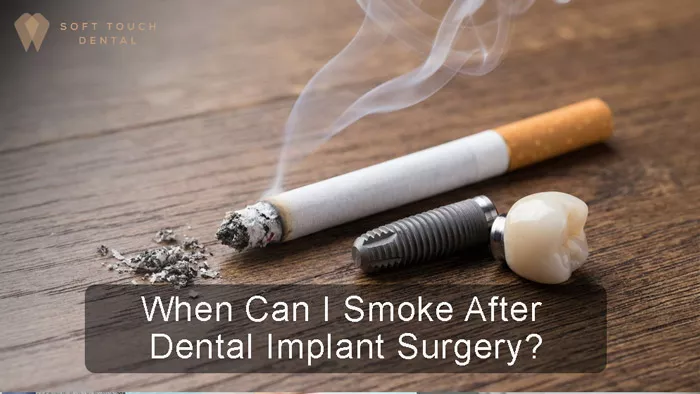
You have invested in a beautiful, permanent smile with dental implants in san diego; now it is time to protect it. Regardless of the specific Type of Dental implants you have received, the statistics are alarming: smoking can increase the implant failure rate by 2 to 3 times.. Following implant surgery, every cigarette poses a direct risk to your blood clot, bone health, and the implant’s longevity. For those seeking maximum certainty for their treatment success, the key question isn’t, “Can I smoke?” but rather, “For how long must I absolutely abstain?” This article provides the scientific answers and the precise timeline for every stage of recovery.
When Can You Smoke After Dental Implant?
After dental implant surgery, adhering to specific timelines for healing is crucial to ensure the success of the procedure. Each phase of healing—from blood clot protection to bone fusion—requires careful attention and commitment to avoid complications. One of the most important factors in this process is smoking abstinence. Following these guidelines will help ensure your implant integrates successfully with the bone, leading to a stable and long-lasting resul
| Timeframe | Healing Objective | Minimum Wait Period |
| Blood Clot Protection | Prevent Dry Socket | Minimum 72 Hours (3 Days) — Absolute Zero Tolerance. |
| Soft Tissue Healing | Manage Inflammation & Infection | First 2 Weeks (Continuous Abstinence) |
| Bone Fusion (Osseointegration) | Guarantee Stability & Success | 3 to 6 Months (Recommended Abstinence Period) |
Note: To guarantee successful osseointegration (the fusion of the implant to the bone), you must remain smoke-free for three to six months after the procedure. Quitting before surgery significantly improves outcomes, and permanent cessation is the most effective step to increase implant longevity and reduce the risk of failure.
The Alarming Impact of Smoking on Dental Implants
Smoking poses significant risks to the success and longevity of dental implants. The chemicals in tobacco, regardless of the delivery method, directly interfere with the body’s natural healing mechanisms. Clinical studies show that smokers face a failure rate 2 to 3 times higher than non-smokers.
A. Severely Restricted Blood Flow
Nicotine causes blood vessels to constrict (vasoconstriction), dramatically reducing the flow of oxygen and vital nutrients to the implant site. This deprivation cripples the healing process, making recovery slower and more precarious.
B. Compromised Osseointegration and Bone Regeneration
Tobacco chemicals directly impair the activity of osteoblasts (bone-forming cells) while potentially accelerating osteoclast activity (bone breakdown). This imbalance severely compromises osseointegration, increasing the risk of the implant failing to properly integrate with the jawbone.
C. Dramatically Elevated Infection Risk
Smoking weakens your immune system, making the surgical site highly vulnerable to bacterial infections. A common and severe complication is peri-implantitis, an infection around the implant that can lead to significant bone loss and, ultimately, implant failure.
D. Delayed Wound Healing and Dry Socket
The mechanical suction action of smoking (along with the heat and toxins) can dislodge the protective blood clot formed at the surgical site. This leads to intense pain and severe complications like a dry socket, delaying overall recovery.
How Long Do I Need to Wait to Smoke Safely
Adhering to the precise timeline for abstinence is paramount for safeguarding your dental implants.
- The Absolute Minimum: Zero Tolerance for the First 72 Hours: The initial 72 hours are the most critical. smoking can dislodge the blood clot, leading to bleeding, severe pain, and a higher risk of infection. Along with avoiding suction, knowing What to Eat After Dental Implant Surgery will help protect the surgical site during this vulnerable window
- The Recommended Healing Window: A Minimum of 3–6 Months: For robust osseointegration, dental professionals universally recommend abstaining from smoking for a minimum of 3 to 6 months post-surgery. The longer you can avoid smoking after implant placement, the higher the success rate for your dental implants.
- Quitting Before Surgery: A Game-Changer: Stopping 2–4 weeks prior can significantly improve blood flow, enhance immune function, and create a much healthier environment for initial healing, leading to a more predictable and successful outcome.
- The “Never Again” Ideal: Protecting Your Investment for Life: Even after successful osseointegration, smoking continues to pose long-term threats. It substantially increases the risk of developing peri-implantitis later in life. Permanent smoking cessation is the ultimate recommendation for maximizing the lifespan of your dental implants.
Vaping and Other Forms of Tobacco
Many people assume that alternatives such as e-cigarettes, vaping devices, marijuana, or smokeless tobacco are harmless or significantly safer than traditional cigarettes during the healing period. However, this belief is incorrect. These products can be just as harmful and in some cases even more damaging to your implant healing process.
- Vaping and E-Cigarettes: They expose the implant site to heat and chemical compounds that inflame the surrounding tissues and delay healing. Nicotine reduces blood flow by constricting blood vessels, which directly compromises osseointegration and increases the risk of implant failure. The suction during inhalation can also disturb the healing clot and negatively affect early implant stability.
- Smokeless Tobacco and Marijuana: These products expose the implant site to nicotine and toxic substances that impair immune response, irritate soft tissues, and increase the risk of infection. Reduced oxygen supply and chronic inflammation significantly decrease implant survival rates.
Therefore, all forms of tobacco and smoking must be strictly avoided during the entire healing period.
Understanding Potential Complications, If You Smoke
Ignoring the advice regarding how long after dental implant surgery can I smoke can lead to severe and costly complications. While smoking is a primary risk factor, being aware of What are the causes of implant rejection can help you manage your long-term oral health more effectively
- Significantly Higher Implant Failure Rates: The compromised healing environment, reduced blood flow, and increased infection risk can cause the implant to fail to integrate or fail even after initial integration.
- Peri-Implantitis Progression: Smokers are far more susceptible to this progressive inflammatory disease, which accelerates bone loss around the implant, ultimately requiring its removal.
- Need for Additional, Costly Procedures: Failure due to smoking may necessitate additional, complex, and costly procedures such as bone grafting or re-implantation.
| Risk Factor | Impact on Dental Implants | Specific Consequences for Smokers |
| Blood Flow | Essential for healing and nutrient delivery | Severely restricted by nicotine, leading to impaired healing. |
| Osseointegration | Bone-to-implant fusion for stability | Compromised bone cell activity, higher risk of non-integration. |
| Infection | Threat to surgical site and surrounding tissues | Weakened immune system, drastically increased risk of peri-implantitis. |
| Healing Time | Duration for tissue repair and recovery | Significantly prolonged, higher chances of complications like dry socket. |
FAQ
Can I smoke if my dental implant has already healed?
Even after initial healing, smoking significantly increases the long-term risk of peri-implantitis and other oral health issues, potentially compromising implant longevity.
What is the minimum time I should wait before smoking after surgery?
You must abstain for a minimum of 72 hours to allow the blood clot to form. However, waiting 3 to 6 months is critical for successful fusion.
Why are e-cigarettes and vaping not safe alternatives after implant surgery?
E-cigarettes and vaping devices contain nicotine (restricts blood flow) and the inhalation action still creates negative pressure, which can dislodge the blood clot and cause dry socket.
How does smoking affect osseointegration?
Smoking impairs osseointegration (the fusion of the implant to the bone) by reducing the oxygen supply and nutrient delivery to the surgical site, directly increasing the risk of implant failure.
What are the recommended steps if I accidentally smoked during the initial healing period?
Contact your Dentist in San Diego, CA immediately to assess the situation and receive specific guidance, as accidental smoking can lead to complications requiring prompt attention.


One Response
I’m glad you addressed vaping specifically. A lot of people assume e-cigarettes are harmless, especially compared to traditional cigarettes. I didn’t realize the suction and nicotine could directly interfere with osseointegration. This was eye-opening.