
No one counts down the days to a wisdom tooth extraction. You leave the dental chair with swollen cheeks, a mouth full of gauze, and a dazed feeling of, “Now what?” Hunger hits fast, but the fear of popping a stitch or developing the dreaded Dry Socket is enough to make anyone nervous.
Knowing exactly what to eat after wisdom teeth removal is the thin line between a smooth recovery and a two-week ordeal of unnecessary pain.
The Golden Rule: The First 48 Hours
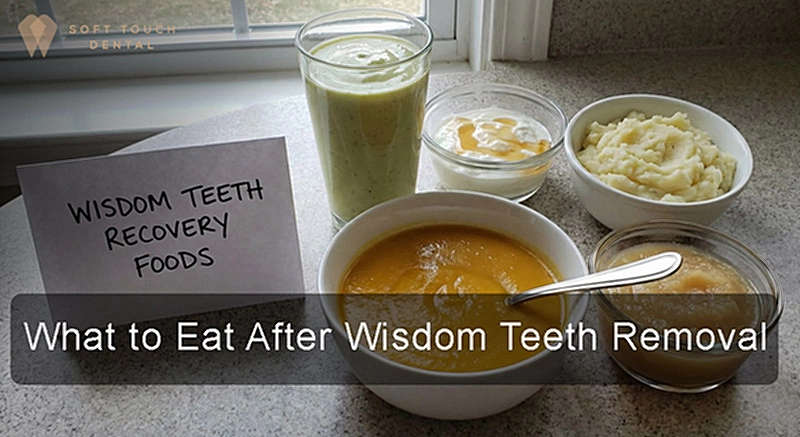
For the first 24 to 48 hours, stick strictly to a liquid or “no-chew” diet. Your goal is to stay nourished without dislodging the blood clot forming at the surgical site.
- Liquids (Day 1): Lukewarm broth, blended soups (tomato or butternut squash), and protein shakes.
- Soft Foods (Days 2-3): Greek yogurt, mashed potatoes, applesauce, and smashed avocado.
- Gradual Introduction (Day 4+): Scrambled eggs, overcooked (very soft) pasta, and pancakes.
Drink enough water
Staying hydrated is vital for a speedy recovery. Dehydration can actually slow down the healing process of your gums. Drink plenty of water throughout the day, but remember the golden rule: Never use a straw. The suction created by a straw can pull the blood clot right out of its socket, leading to “Dry Socket”—a condition where your bone and nerves are exposed, causing intense pain. Sip directly from a cup or use a spoon for the first week.
Boost Healing with Vitamin C and Protein
Don’t settle for just Jell-O. Your body needs essential nutrients to repair tissue:
- Protein: Mix Greek yogurt into smoothies or stir protein powder into lukewarm oatmeal.
- Vitamin C: This is crucial for collagen formation and gum repair. Try soft, non-acidic fruits like mashed mango or very ripe kiwi. Avoid highly acidic citrus (like lemons) if they irritate the open wound.
Secretly Dangerous Foods
Even if a food feels “soft,” it might be a hidden threat:
- Seeds and Grains: Small particles (like those in raspberries or seeded bread) can get trapped in the socket and cause infection.
- Spices: Anything spicy will cause intense stinging. Save the hot sauce for later.
- Crunchy Foods: Chips, nuts, and popcorn have sharp edges that can damage the healing tissue.
- Alcohol: Alcohol can thin your blood and interfere with medications.
Final Thoughts
Recovery doesn’t have to mean a week of starvation. If you prep your fridge with water, protein-rich soft foods, and Vitamin C sources, you’ll be back on your feet in no time. If you notice a fever, foul breath, or a throbbing pain that gets worse after day three, contact your dentist immediately.
FAQ
When can I eat a burger?
Most people return to chewy, solid foods after 7 to 10 days. If chewing hurts, you aren’t ready yet.
Is rice or quinoa okay?
Better to wait. These small grains easily get stuck in the extraction site and are a nightmare to clean out without hurting the wound.
Why does temperature matter?
Avoid hot coffee or steaming soup for the first 24 hours as heat can dissolve blood clots. Stick to cool or lukewarm temperatures. Cold treats like ice cream (without nuts) can help reduce swelling.
How do I clean my mouth?
Do not brush the surgical site for the first 24 hours. Afterward, use a gentle saltwater rinse. Do not spit forcefully; let the water flow out of your mouth naturally into the sink.