If you’ve ever looked in the mirror and wished you could just “edit” your smile—fix a chip here, close a gap there, or brighten the color permanently—you are likely thinking about dental veneers.
Unlike crowns that cover the entire tooth for strength, Veneers San Diego (and everywhere else) are designed primarily for aesthetics. Think of them like a false fingernail, but made of high-strength porcelain or composite, custom-sculpted to fit perfectly over the front of your existing teeth. At Soft Touch Dental, Veneers can address multiple issues simultaneously.
What Are Veneers Exactly?
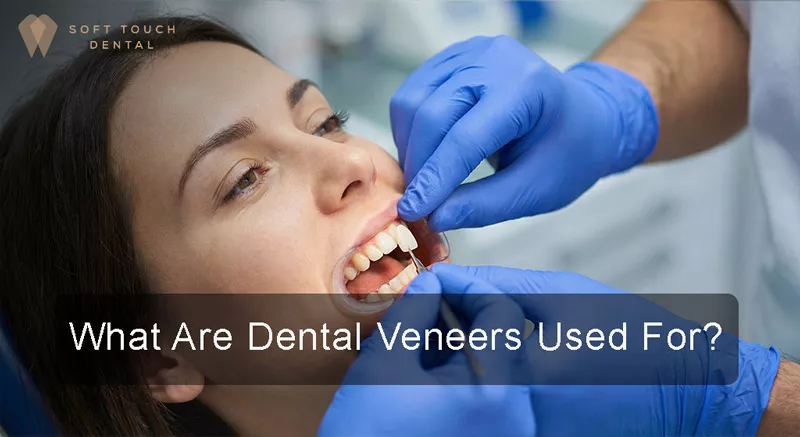
dental veneer is a wafer-thin shell that is bonded to the front surface of a tooth. Its job is simple: to mask what is underneath and present a flawless, natural-looking face to the world.
While they are famous for creating “Hollywood Smiles,” modern veneers are not just about looking perfect. They are about looking better—fixing specific flaws while keeping the character of your natural smile.
Who Needs Them?
You don’t need a full mouth of veneers to see a difference. Many patients get just one or two to fix a specific annoyance. Veneers are typically used to correct:
- Discoloration: Deep stains from medication (like tetracycline) or age that bleaching just won’t touch.
- Damage: Teeth that are chipped, cracked, or worn down from years of grinding.
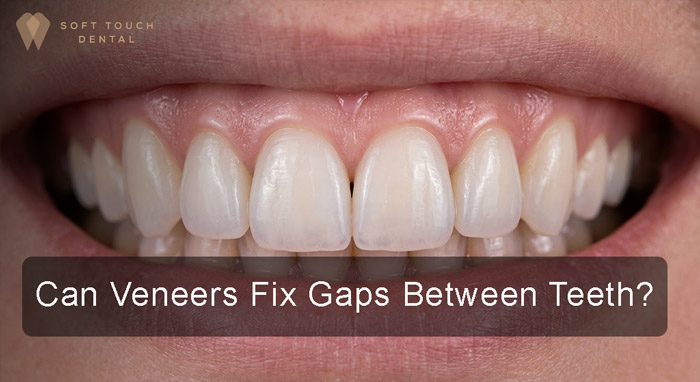
- Spacing: Closing that small gap (diastema) between your front teeth without needing braces.
- Alignment: Making slightly crooked teeth look straight instantly (often called “instant orthodontics”).
- Shape: Correcting teeth that are naturally too small, pointy, or oddly shaped.
Veneers vs. Crowns vs. Bonding
It is easy to get confused about which restoration does what. Here is a quick breakdown to help you decide if a veneer is actually what you need:
| Feature | Veneer | Dental Crown | Dental Bonding |
| Coverage | Front surface only | Entire tooth (cap) | Applied directly to spots |
| Primary Use | Cosmetic fixes | Structural repair | Minor chips & quick fixes |
| Tooth Prep | Minimal (0.5mm) | Significant filing | None to minimal |
| Durability | High (10-15+ years) | Very High | Moderate (5-7 years) |
| Cost | High | High | Lower |
The Two Main Types: Porcelain vs. Composite
Not all veneers are created equal. The material you choose affects the look, the price, and how long they last.
1. Porcelain Veneers
These are the gold standard. They are made in a lab, resist staining incredibly well (coffee lovers, take note), and reflect light exactly like natural tooth enamel. They are durable but require a bit more preparation of your natural tooth.
2. Composite Veneers
These are sculpted directly on your tooth by the dentist in one visit. They are faster and cheaper but don’t last as long as porcelain and can stain over time.
One common question we get is regarding the difference between veneer vs bonding. While both use similar materials (resin), a composite veneer covers the entire front face of the tooth for a uniform look, whereas bonding usually just patches a specific chip or gap.
Are Veneers Right for Everyone?
Technically, no. You need healthy teeth and gums underneath. If you have active gum disease or extensive cavities, covering them up with a veneer is like painting over a rusty car—it won’t end well. You need to treat the health issues first. Also, if you grind your teeth heavily (bruxism), you might chip your investment unless you wear a night guard.
What Actually Happens?
Getting veneers isn’t a one-and-done lunch break appointment. It is a process that typically takes two or three visits over the course of a few weeks. Here is the reality of the timeline:
1. Diagnosis and Treatment Planning
This is where you tell your dentist exactly what you hate about your smile. We take X-rays, photos, and sometimes digital scans to see if your teeth are healthy enough for the procedure. You might get a “wax-up”—a physical model of what your new teeth will look like—so you can approve the shape and length before anyone touches a drill.
2. Preparation
To make the veneer fit without looking bulky, a tiny amount of enamel (usually about 0.5 mm) needs to be removed from the front of the tooth.
- Anesthesia: Yes, you will likely be numb for this.
- Impressions: Once the teeth are prepped, a mold or scan is sent to the lab.
- Temporaries: You will leave this appointment with temporary acrylic veneers. They won’t look perfect, and they might feel a bit rough, but they protect your sensitive teeth while the lab works its magic (usually 1–2 weeks).
3. Bonding
When the permanent porcelain veneers arrive, the dentist places them on your teeth with water or glycerin to check the fit and color. If you love them, the tooth is cleaned, etched with a special gel, and the veneer is cemented permanently.
The Big Question: Reversibility
One of the biggest hesitations patients have is the commitment level. Are Veneers Permanent?
The short answer is yes. Because we remove a thin layer of natural enamel to fit the shell, you cannot simply “take them off” and go back to your natural teeth later. Your teeth will always need coverage to be protected. While the veneers themselves may need replacing after 10–15 years, the process itself is irreversible.
There are ultra-thin options (like Lumineers) that require little to no drilling. These might be reversible, but they can look bulkier and aren’t right for everyone.
Weighing the Pros and Cons
Before making the investment, it is crucial to look at the tradeoffs objectively.
| Pros | Cons |
| Instant Transformation: Corrects color, shape, and alignment in two visits. | Enamel Loss: You lose natural tooth structure that never grows back. |
| Stain Resistance: Porcelain resists coffee and wine stains better than natural enamel. | Sensitivity: You may feel increased sensitivity to hot/cold for a few weeks after placement. |
| Durability: Can last 10–20 years with proper care. | Cost: Insurance rarely covers them as they are “cosmetic.” |
| Gum Tolerance: Gums generally tolerate porcelain well with minimal irritation. | Fragility: You can chip them if you chew ice, pens, or fingernails. |
Recovery and Aftercare
The good news is there is practically no downtime. You can go back to work the moment the numbness wears off. However, your gums might be sore for a few days, and your bite might feel “different” until your brain adjusts to the new shape of your teeth.
How to make them last:
- Don’t use teeth as tools: Ripping open packages is the fastest way to pop a veneer off.
- Wear a night guard: If you grind your teeth at night, a guard is non-negotiable to protect your investment.
- Floss: You can (and must) floss between veneers just like natural teeth. Cavities can still form on the back of the tooth or at the gum line.
Alternatives
While veneers are powerful, they aren’t always the only answer. Sometimes, a less invasive approach gives you the result you want without the cost or enamel removal.
- Other Options to Consider: Before committing to veneers, it is worth asking if a simpler treatment could solve the problem:
- Professional Whitening: If your only complaint is the color of your teeth, start here. It’s cheaper, non-invasive, and often dramatic enough that you won’t need veneers.
- Dental Bonding: For small chips or minor gaps, bonding is faster and reversible. It doesn’t look as “glass-like” as porcelain, but it is a great intermediate step.
- Orthodontics :If your teeth are healthy but crooked, moving them is always better than drilling them. Veneers can fix minor misalignment, but for major crowding, aligners are the safer choice for your long-term oral health.
Crowns: If a tooth has a large filling or a root canal, a veneer isn’t strong enough. You need a crown to hold the structure together.
The Financial Aspect
Because veneers are considered an “elective” cosmetic procedure, dental insurance rarely covers the bill. You are paying for the artistry and the material.
- Longevity Value: While the upfront cost is higher than bonding, porcelain veneers last 10–15 years (or longer), making them a better long-term investment.
- Financing: Most dental offices offer payment plans or third-party financing (like CareCredit) to break the total cost into monthly payments.
Conclusion
Deciding to get dental veneers is a personal choice that balances aesthetics, budget, and long-term dental health. They are a fantastic tool for fixing stubborn discoloration, chips, or spacing issues that hold you back from smiling. However, they require a commitment to maintenance and an understanding that your teeth are being permanently altered.
If you are ready to see if you are a candidate, the next step is a consultation. A skilled dentist will look past the “sales pitch” and help you decide if veneers—or an alternative—are the right path to the smile you want.