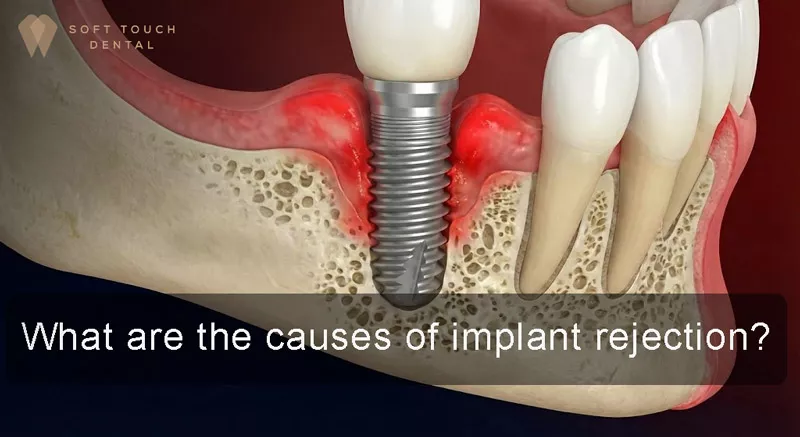
Dental implants have a high success rate, but in rare cases they can fail or be “rejected.” True immunological rejection of a titanium implant is exceptionally rare. More often, an implant fails to integrate with the jawbone due to other factors. Common causes of implant rejection (dental implant failure) include bacterial infection (peri-implantitis), poor bone quality or quantity, and unhealthy habits or medical issues that hinder healing. Below we explore these causes in detail, with practical tips to prevent problems and keep your implant healthy.
Main Causes of Implant Rejection
Infection and Peri-Implantitis
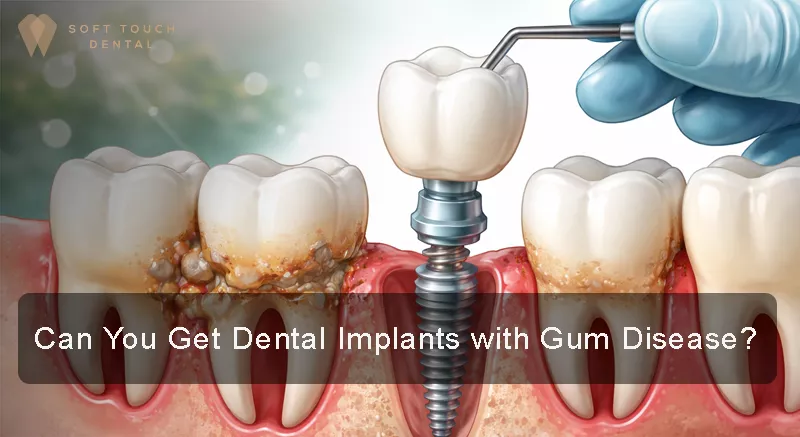
The most common reason dental implants fail is infection around the implant. Bacteria can build up in the gums and tissue near the implant (a condition called peri-implantitis), leading to inflammation and bone loss. For example, a dental clinic notes that “the most common reason for the failure or rejection of dental implants is infection, caused by bacteria, often by inadequate home care”. Left untreated, peri-implantitis can cause the implant to loosen and even fall out.
Tip: Maintain excellent oral hygiene. Brush twice a day, floss, and use an antiseptic mouthwash to keep harmful bacteria at bay. Regular cleanings with your dentist can catch early signs of gum infection.
Poor Bone Quality and Integration Problems
A dental implant must fuse securely with the jawbone (a process called osseointegration). If your jawbone is too thin, soft, or insufficient due to prior gum disease or tooth loss, the implant may not bond properly. As one dentist explains, “successful osseointegration requires a strong, healthy jawbone with adequate density”. Without enough bone support, the implant can become loose. Sometimes bone grafting before implant surgery is needed to build up bone volume.
Tip: If your dentist recommends a bone graft or sinus lift to strengthen your jaw, follow through. Also, give the implant enough time to heal before putting too much pressure on it.
Lifestyle and Oral Habits
Daily habits and lifestyle choices can make a big difference in implant success. Poor oral hygiene (failing to brush and floss) lets plaque accumulate, which can inflame gums and damage bone around the implant. Smoking and tobacco use are major risk factors: the chemicals in cigarettes slow healing by reducing blood flow and raise infection risk. In fact, smokers have a much higher failure rate, so dentists strongly advise quitting. Another habit is teeth grinding (bruxism): clenching or grinding exerts extra force on the implant, which can weaken its hold over time.
Tip: Quit smoking well before and after implant surgery to improve healing. Use a soft-bristled toothbrush and clean around the implant carefully. If you grind your teeth at night, ask your dentist about a bite guard to protect the implant.
Medical Conditions and Health Factors
Certain health issues can interfere with implant healing. Chronic diseases like diabetes, osteoporosis, or autoimmune disorders can impair blood flow or bone metabolism, making it harder for bone to grow around the implant. For example, poorly controlled diabetes causes inflammation and raises infection risk, which can lead to implant failure. Likewise, taking certain medications (like steroids or bisphosphonates) can affect bone healing.
Tip: Inform your dentist of any medical conditions or medications before surgery. Work with your doctor to control issues like high blood sugar or vitamin deficiencies. Staying healthy overall gives the implant the best chance to bond.
Surgical and Mechanical Factors
Implant surgery and prosthetic design must be done carefully. Poor planning or surgical technique can cause problems: if the implant is placed at the wrong angle or depth, or if nerves are damaged during surgery, the implant may fail later. Similarly, if the crown or bridge on the implant doesn’t fit right (creating an uneven bite), too much pressure on the implant can cause “implant overload”. In short, errors in the surgical or restoration process can lead to implant failure.
Tip: Choose an experienced implant surgeon or periodontist. Specialists will use imaging (like 3D scans) and precise planning to position the implant correctly. After surgery, follow all instructions (such as eating soft foods initially and keeping the area clean) to avoid disturbing the implant.
Rare Allergic Reactions
Dental implants are usually made of biocompatible titanium or zirconia, so allergic reactions are very uncommon. In extremely rare cases, someone might be hypersensitive to the implant material, causing ongoing inflammation or pain around the site. However, experts stress that “true implant rejection is exceptionally rare”. Most implant “failures” are due to the factors above, not an immune attack on the metal.
Tip: If you have a known metal allergy or have had reactions to jewelry, mention this to your dentist. In some cases, allergy testing to titanium can be done before surgery, or an alternative ceramic implant might be considered.
Tips from Experience
Dental professionals emphasize that nearly all implant failures are preventable with proper care. For example, one clinic notes that “dental implant failure is rare, but it’s almost always preventable” by maintaining good hygiene and following instructions. Based on clinical experience and Soft Touch Dental, strong emphasis is placed on patient education, gentle treatment, and careful post-implant care. Key tips include:
- Practice excellent daily care: Brush and floss gently around the implant, and use any special cleaning tools your dentist recommends.
- Watch for early signs: If you notice unusual pain, swelling, or looseness, contact your dentist right away. Early treatment of infection or inflammation can save the implant.
- Follow post-op instructions: Stick to a soft-food diet initially, attend follow-up visits, and take prescribed medications (like antibiotics) to support healing.
By understanding and avoiding the common causes above, patients can give implants the best chance to heal well and last for decades.
Conclusion
In summary, most implant “rejections” stem from issues like infection (peri-implantitis), insufficient bone, or factors that impede healing. True biological rejection is very rare. To protect your investment, practice excellent oral care, follow your doctor’s advice, and address any health issues before surgery. If you suspect a problem with your implant (pain, looseness, or swelling), contact your dentist immediately. Understanding what causes implant rejection helps you take proactive steps. With careful preparation and maintenance, dental implants have an excellent chance of success and can serve you well for many years.
FAQs
1: Can my body reject a dental implant?
It’s extremely unlikely. Dental implants are made of materials (like titanium) that are generally accepted by the body. True immune rejection of an implant is very rare. Almost all implant “rejections” are actually failures caused by infection or poor healing, not the immune system attacking the implant.
2: What are warning signs of a failing implant?
Watch for persistent pain, swelling, or bleeding around the implant after the normal healing period. A loose or moving implant is a red flag. Clinicians list symptoms such as implant mobility, redness (edema), discharge of pus, bleeding, or X-ray evidence of bone loss as signs of failure. If you notice these, see your dentist promptly.
3: How can I prevent implant failure?
Follow your dentist’s aftercare guidelines carefully. Maintain good oral hygiene (brushing, flossing, professional cleanings) to prevent infection. Avoid smoking and control health issues like diabetes, as these can impair healing. Attend all scheduled follow-ups so your dentist can check the implant, and avoid putting hard force on the new implant too soon.
4: How common is implant failure?
Dental implants succeed in the vast majority of cases. Success rates are often around 96–98%, meaning only about 2–4% fail. This low failure rate is thanks to careful planning and care. By knowing what the causes of implant rejection are and managing those risks, patients help ensure their implants succeed.