
If you are looking in the mirror at a chipped tooth, a small gap, or discoloration that just won’t go away, you know how much these little imperfections can impact your confidence. You want a solution that looks natural, but the terminology can be confusing.
When researching cosmetic options, the debate often comes down to veneer vs bonding. Both treatments are designed to improve the color, shape, and overall appearance of your teeth, but they achieve these results in very different ways. Understanding these differences is essential to choosing the right investment for your smile.
What Is Composite Bonding?
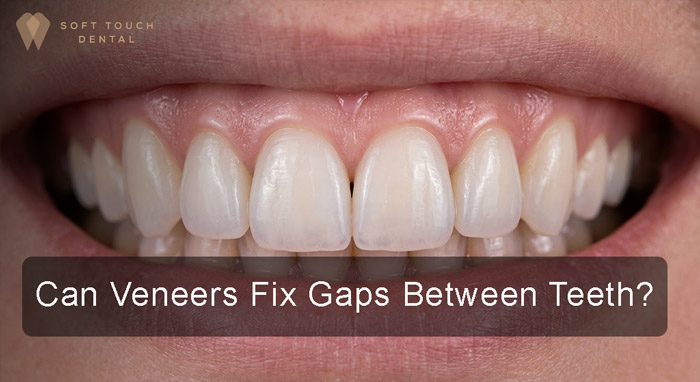
Composite bonding (often just called dental bonding) is an additive procedure. Your dentist applies a soft, tooth-colored resin directly to your tooth and sculpts it like clay to achieve the desired shape. It is typically used to repair chips, close small gaps, or lengthen a tooth that looks shorter than the rest.
The Difference Between Bonding and Fillings A common point of confusion is how bonding differs from a standard filling. While they often use the same material (composite resin), the goal is different.
- Fillings are restorative; they are used primarily to fill a cavity caused by decay to save the tooth’s structure.
- Bonding is cosmetic; it is used to build up a healthy tooth to change its appearance, angle, or spacing.
For patients seeking Composite Bonding San Diego, this is often the go-to solution for minor aesthetic repairs because it is minimally invasive and quick to complete.
The Bonding Procedure – A One-Visit Fix
One of the biggest advantages of bonding is speed. The entire process usually takes between 30 to 60 minutes per tooth and can be completed in a single office visit.
First, your dentist will select a resin shade that perfectly matches your natural teeth. They will then roughen the surface of your tooth slightly and apply a conditioning liquid to help the resin stick. After applying and shaping the putty-like resin, a special ultraviolet light is used to harden it in seconds. Finally, the tooth is polished to a smooth, natural finish that blends seamlessly with your smile.
What Are Dental Veneers?
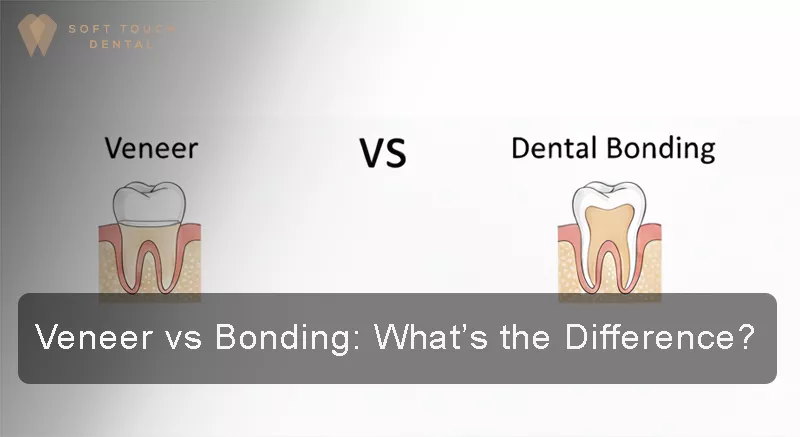
Unlike bonding, which is like patching a small area, veneers are a complete resurfacing. They are very thin shells—made of either porcelain or composite resin—that fit over the entire front surface of the tooth.
Think of a veneer like a false fingernail, but for your tooth. They are designed to conceal a wide range of imperfections at once, including deep stains, uneven alignment, and worn-down edges. Because they cover the whole front, they offer a more dramatic and uniform “Hollywood” transformation compared to the localized fix of veneer vs composite bonding.
Key Differences: A Side-by-Side Comparison
When weighing the decision of veneer vs composite bonding, several factors come into play: appearance, longevity, and cost. Let’s break down the main distinctions.
Appearance
The “Hollywood” Look Veneers, especially porcelain ones, offer a translucent, light-reflecting quality that mimics natural teeth almost perfectly. They are often the choice for a complete smile makeover because they can dramatically change the shape, color, and alignment of multiple teeth at once. Bonding is excellent for minor repairs but can stain over time, just like natural enamel.
Durability & Lifespan
- Bonding: Generally lasts for 5 to 10 years before needing touch-ups or replacement.
- Composite Veneers: Typically last around 5 to 7 years.
- Porcelain Veneers: Considered the gold standard, often lasting 15 to 20 years with proper care.
Stain Resistance Porcelain is highly resistant to staining from coffee, tea, and red wine. Bonding resin, however, is porous and will discolor over time if exposed to dark foods and drinks.
The Cost Factor
Budget is often a deciding factor. Dental bonding is significantly more affordable, typically ranging from $300 to $600 per tooth. It’s a cost-effective way to fix minor flaws without breaking the bank.
Porcelain veneers require a larger investment, often costing between $4,500 and $6,500 per tooth. While the upfront cost is higher, their longevity means you won’t need to replace them as frequently, potentially balancing out the expense over time. It is important to note that since these are cosmetic procedures, dental insurance rarely covers the cost.
The “Permanence” Factor
One of the most critical differences lies in reversibility. Bonding is generally considered reversible because little to no enamel is removed. If you change your mind later, the bonding material can often be removed.
Veneers, on the other hand, require the removal of a thin layer of enamel to ensure a proper fit. This permanent alteration to your natural tooth structure means you must always have some form of covering on that tooth. This commitment leads many patients to ask: Are Veneers Permanent?. Understanding this irreversible step is vital before proceeding with veneers.
Which Option Is Right for You?
Choosing between veneer vs bonding often depends on your specific goals and timeline.
-
Choose Dental Bonding If
You have minor cosmetic issues like a small chip or a gap you want to close quickly. It is also the ideal choice if you are on a budget or need a solution that can be completed in a single visit, perhaps before a special event.
-
Choose Dental Veneers If
You are looking for a dramatic transformation or a “smile makeover”. If you have deep discoloration that resists whitening, or if you want a solution that maintains its gloss and resists staining for 15 to 20 years, porcelain veneers are the superior option.
Protecting Your Investment
Whether you choose the quick fix of bonding or the long-term solution of veneers, proper care is essential to prevent damage.
Avoid Hard Objects
Both porcelain and composite resin can chip if subjected to strong forces. You should avoid biting down on hard objects like ice cubes, fingernails, or pen lids.
Watch Your Diet
While porcelain is stain-resistant, the composite resin used in bonding is not. To keep your bonded teeth looking natural, it is best to reduce the consumption of dark-colored foods and drinks like coffee, tea, and red wine, which can cause the material to discolor over time.
Daily Hygiene
Just like your natural teeth, restored teeth need to be brushed twice a day and flossed daily to prevent cavities from forming underneath the restoration.
Why Technique and Precision Matter
The success of these procedures relies heavily on the skill of the provider. Dental bonding, in particular, is an artistic process where the dentist must freehand-sculpt the resin directly onto your tooth to match the shape and texture of your neighbors.
At Soft Touch Dental, we approach every smile with a personalized plan. Whether sculpting a seamless bond or designing custom porcelain shells, our goal is to ensure the result looks indistinguishable from natural teeth while maintaining your oral health.
Conclusion
Both dental bonding and veneers offer effective paths to a more confident smile. Bonding provides a quick, reversible, and cost-effective fix for minor flaws, while veneers offer a durable, long-term solution for comprehensive changes.
If you are still weighing veneer vs composite bonding, the best step is a professional consultation. We can evaluate the condition of your enamel and help you decide which path fits your budget and aesthetic goals best.