
Have you just transformed your smile with dental veneers, or are you planning to get them soon? Congratulations! You are one step closer to that dream Hollywood look. However, achieving that dazzling smile is only half the journey; the more critical half is understanding how to maintain veneers to ensure their brilliance and durability. Many people assume that veneers require no maintenance, but the reality is that without proper hygiene, even the highest quality veneers can sustain damage. In this article, we will cover everything you need to know to protect your investment, from correct brushing techniques to the ideal diet. If you want your veneers to look as good as new for years to come, this guide is for you.
The Most Important Principles of Veneer Care
To put your mind at ease immediately, the core secret of how to care for veneers is to treat them exactly like your natural teeth—but with a little extra gentleness. Whether you are caring for natural teeth, veneers, or even a Dental Implant, preserving the health of your gums is paramount. While the porcelain itself cannot decay, the natural tooth structure underneath requires protection. Therefore, the golden rule is simple: brush twice a day with a soft-bristled toothbrush, floss daily, and strictly avoid biting into extremely hard foods. These small lifestyle adjustments can effectively double the lifespan of your new smile.
Critical Care in the First 48 Hours After Veneers
The first two days after your veneers are placed are the most sensitive. The bonding cement is still setting, and your gums may be slightly tender.
1. The White and Soft Diet
During this window, avoid highly pigmented and hard foods. Your mantra for these 48 hours should be Soft and White.
- Allowed: Mashed potatoes, yogurt, pasta with white sauce, soft bread, chicken.
- Avoid: Strong coffee, red wine, curry, berries, and tomato sauce (these are color-killers in the first few days).
2. Dealing with Temperature Sensitivity
You might experience some sensitivity to hot or cold temperatures. This is a normal reaction to the bonding process. Try to consume beverages at room temperature (lukewarm) to minimize discomfort until the sensitivity subsides.
Comprehensive Guide on How to Care for Veneers Long-Term
To make how to care for veneers a seamless part of your life and keep your smile bright, incorporate the following tips into your daily routine:
Correct Brushing and Flossing Techniques
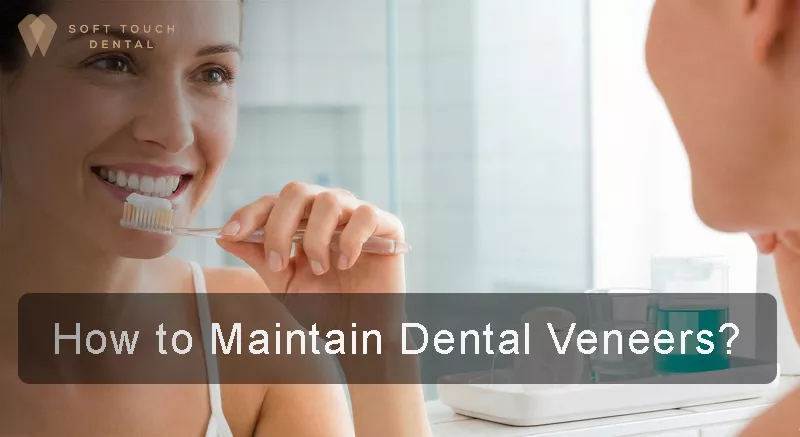
Contrary to popular belief, brushing harder does not mean brushing better. In fact, aggressive brushing can scratch the surface of your veneers.
- Toothbrush: Always use a “Soft” bristle brush. Hard bristles are the enemy of that glossy veneer finish.
- Toothpaste: Avoid whitening toothpastes or those containing baking soda or charcoal. These are abrasive and can leave microscopic scratches on the veneer, which actually attracts stains faster. A non-abrasive gel toothpaste is the best option.
- Flossing: Never skip flossing. Plaque accumulates at the margin where the veneer meets the gum line, which can lead to gum recession or shorten the veneer’s life.
The Veneer-Safe Diet
While veneers are strong, they aren’t indestructible.
- Staining Foods: Coffee, tea, soy sauce, and red wine can eventually stain the bonding agent at the edges of the veneer. If you consume these, rinse your mouth with water immediately afterward.
- Hard Foods: Biting directly into hard apples, crusty bread, ice, or nuts can cause the veneer to chip or crack. Cut hard foods into smaller pieces and chew with your back molars.
Bad habits for Dental Veneers
Certain habits can be catastrophic for your veneers:
- Teeth Grinding (Bruxism): If you grind your teeth at night, you must ask your dentist for a “Night Guard.” The pressure from grinding is often strong enough to fracture porcelain.
- Teeth as Tools: Never use your teeth to tear open tape, uncap bottles, or hold hairpins. This is the fastest way to dislodge a veneer.
Conclusion
A beautiful smile is a valuable investment, and protecting it requires consistency. As we have explored, learning how to maintain veneers is not difficult; it simply requires being kinder to your teeth. Switch to a soft toothbrush, apply a Soft Touch Dental technique when brushing, and avoid biting into very hard foods. Don’t forget your 6-month dental checkups so your dentist can inspect the integrity of the bonds (and any other restorations like a dental implant). By following these simple steps, you can enjoy your radiant, confident smile for decades.
FAQs
1. Do veneers stain over time?
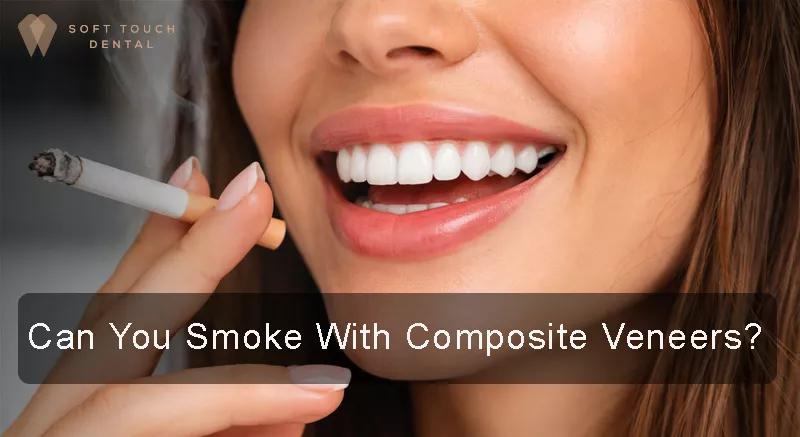
Porcelain veneers are highly resistant to staining and rarely turn yellow. However, composite veneers are more porous and can stain like natural teeth if you smoke or drink a lot of coffee.
2. How long do veneers last?
With proper attention to how to maintain veneers, porcelain veneers can last between 10 to 15 years (or longer), while composite veneers typically last 5 to 7 years.
3. Can I chew gum with veneers?
Yes, chewing sugar-free gum is generally safe. However, avoid old, hard gum or extremely sticky candies that could pull on the veneers.
4. What should I do if a veneer chips or falls off?
Don’t panic. If the veneer comes off whole, keep it safe and see your dentist immediately. In many cases, it can be re-bonded. If it chips, it can often be polished or repaired.