While natural tooth enamel is the hardest material in the human body, dental implants are ultimately stronger and more durable because they are made of dental-grade titanium and cannot decay. For patients considering Dental implants san diego, it is important to know that implants fuse directly into the jawbone, offering permanent stability that surpasses even healthy natural teeth, which remain vulnerable to bacterial acids and mobility issues over time. When natural teeth fail, implants provide a structurally superior, decay-proof replacement.
Are Dental Implants Stronger Than Real Teeth?
Evaluating how each structure sits in the mouth reveals why implants offer superior bite force and long-term stability.
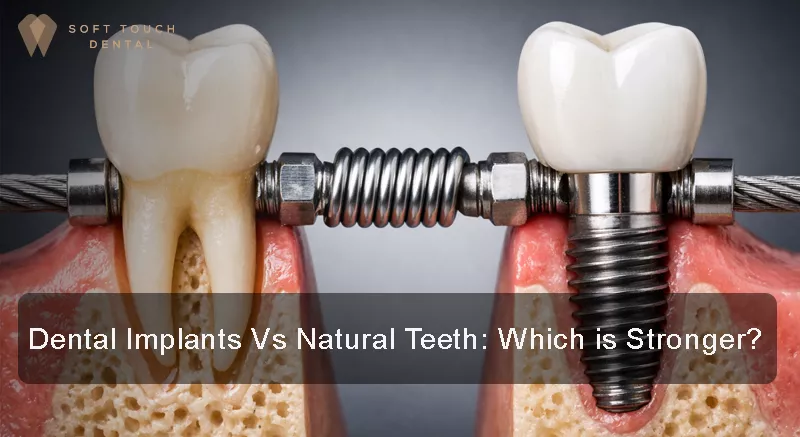
- Natural Teeth: Tooth roots attach to the gums via a soft periodontal ligament, which naturally allows for slight shifting during chewing.
- Dental Implants: Titanium posts bypass the soft gums entirely. They are embedded directly into the jawbone, fusing securely with the bone tissue as you heal.
This complete immobility allows the prosthetic to withstand massive biting forces. Depending on the Type of Dental Implants used, this metal-to-bone connection provides a significantly sturdier foundation than natural teeth.
Why Are Dental Implants Stronger Than Natural Teeth Over Time?
The physical strength of an implant remains consistent from the first day of placement because artificial medical materials do not degrade in the oral environment.
- Natural teeth constantly weaken as everyday bacterial acids erode the enamel, making them highly prone to decay, deep cavities, and structural breakdown over time.
- Dental implants are entirely decay-proof because oral bacteria cannot eat away or damage the artificial medical materials.
- The implant screw is made of rust-proof titanium, ensuring the foundation never rots or deteriorates inside the jawbone.
- The visible crown is crafted from highly durable ceramic and metal alloys that maintain their original structural strength and can last 30 years or more with proper clinical care.
Comparing Implants to Failing Dental Structures
While healthy enamel is incredibly hard, implants provide a vastly superior chewing experience compared to damaged natural teeth or older, traditional prosthetics.
- Severely Damaged Teeth: Broken teeth expose the underlying tooth nerve, causing severe pain and infection that make efficient chewing impossible.
- Mobile Teeth: Advanced gum disease, or pyorrhea, leads to loose teeth, recurrent infections, and swollen, bleeding gums, completely destroying natural bite function.
- Loose Dentures: Removable dentures rely on covering a maximum area of the mouth for retention, often slipping out of place and triggering gag reflexes. Implants eliminate these issues entirely by remaining fixed in the bone, functioning exactly like healthy teeth.
Natural Teeth vs Dental Implants At a Glance
This table outlines the critical physical differences and long-term durability metrics between organic tooth structures and titanium implant prosthetics.
| Feature | Natural Teeth | Dental Implants |
| Material Base | Enamel (Hardest tissue in the human body) | Medical-grade titanium and ceramic |
| Bone Attachment | Periodontal ligament (allows micro-mobility) | Fused directly to the jawbone (completely immobile) |
| Decay Risk | High (Vulnerable to bacterial acids and erosion) | None (Made of completely decay-proof artificial materials) |
| Durability Curve | Weakens over time if enamel erosion or cavities occur | Maintains consistent structural strength from the first day |
| Expected Lifespan | Can last a lifetime, but highly prone to decay | 30+ years or a lifetime with proper oral hygiene |
Factors Influencing Implant Strength and Longevity
To ensure your artificial root remains stable, specific clinical and biological conditions must be managed, which are thoroughly assessed during the Full mouth dental implant procedure steps.
Jawbone Density
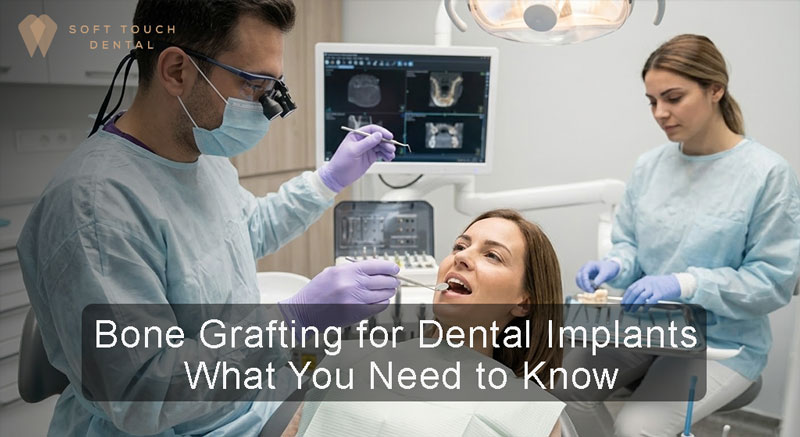
Implants require a good quantity of surrounding bone for lifelong survival. If jawbone mass is insufficient, a bone grafting procedure is recommended prior to placement to ensure structural support.
Strict Oral Hygiene
Poor hygiene and long-term food accumulation will damage the bone and gums supporting the implant, leading to eventual implant loss.
Systemic Patient Health
Healthy individuals experience higher success rates. Conditions like diabetes, bone diseases, long-term immunosuppressive diseases, or smoking habits significantly reduce the survival rate of the implant.
Additional Clinical Benefits of Choosing Implants
Beyond restoring basic chewing function, replacing missing teeth with titanium posts protects your overall facial anatomy. At Soft touch dental, we focus on treatments that preserve your jawbone and protect your remaining natural teeth from unnecessary wear.
Preserving Adjacent Teet
Traditional dental bridges require shaving down healthy adjacent teeth to secure a cap, sacrificing healthy enamel to restore one gap. Dental implants stand independently, maintaining the structural health of surrounding teeth.
Preventing Bone Loss
Untreated smile gaps act as breeding grounds for harmful bacteria. Implants fill these gaps and actively stimulate the jawbone tissue, preventing the facial collapse associated with missing teeth.
Conclusion
Dental implants provide a durable, decay-resistant replacement for missing teeth through direct integration with the jawbone. The titanium structure withstands everyday chewing forces without the risk of cavities that affect natural enamel. Maintaining this mechanical stability requires consistent daily oral hygiene to protect the surrounding bone and gum tissue from bacterial infection.