Losing a tooth—or several—is more than just a hit to your confidence; it’s a logistical nightmare for your mouth. If you’re tired of avoiding crunchy foods or hiding your smile in photos, understanding the right type of dental implants for your specific situation is the first step toward getting your life back.
Types of dental implants
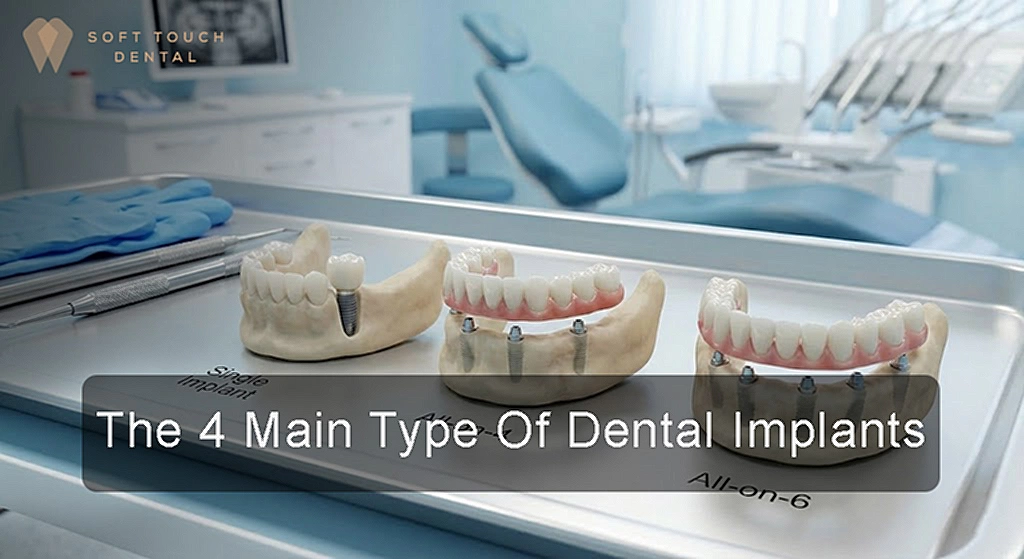
When you start looking into how to fix your smile, the terminology gets dense fast. Let’s cut through the noise. Depending on whether you’re missing one tooth or a whole row, your dentist will generally recommend one of these four dental implant types.
1. Single Tooth Implants
This is exactly what it sounds like: a one-for-one replacement. If you lost a tooth to a sports injury or a stubborn cavity, a single implant is the gold standard.
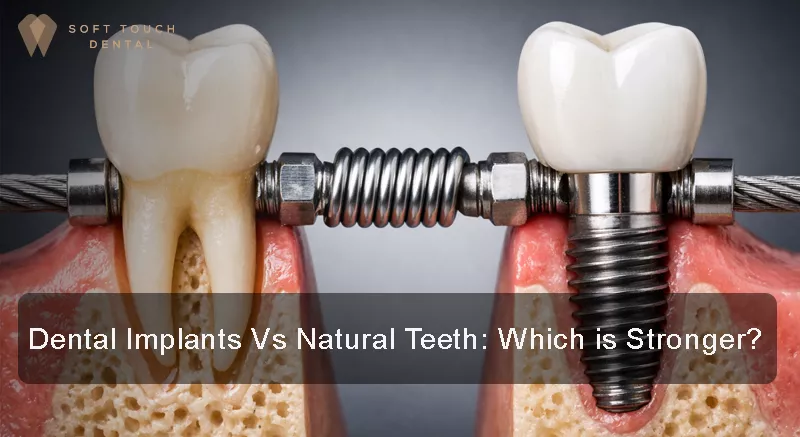
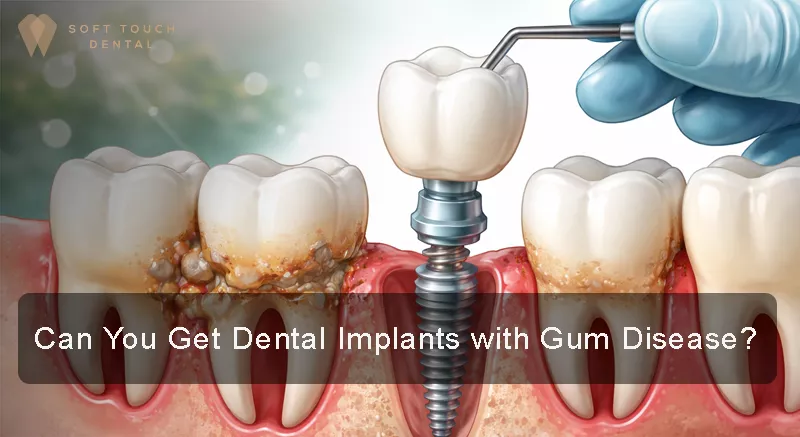
Think of it this way: the implant acts as a new “root” made of titanium, and a custom crown is placed on top. It looks, feels, and functions just like the real thing. The best part? You don’t have to grind down the healthy neighboring teeth, which is what happens with a traditional bridge.
2. Multi-Tooth Implants (Implant-Supported Bridges)
If you have a gap where three or four teeth used to be, you don’t necessarily need an implant for every single missing space. That would be expensive and unnecessary.
Instead, a multi-tooth implant uses two implants to anchor a bridge that spans the gap. It’s a sturdy, permanent solution that prevents your remaining teeth from shifting out of place. It’s a “work smarter, not harder” approach to oral surgery.
3. All-on-4 Implants
This is where technology gets really impressive. If you’re facing the prospect of losing all your teeth on the top or bottom, you might assume you’re stuck with removable dentures. You aren’t.
The All On 4 Dental Implants uses just four strategically placed implants to support an entire arch of permanent teeth. By tilting the back implants at an angle, dentists can often avoid the need for bone grafts. It’s a life-changer for people who want the security of permanent teeth without the complexity of a dozen different surgeries.
4. All-on-6 Implants
The All-on-6 is the “heavy-duty” version of the All-on-4. As you might guess, it uses six implants instead of four.
Why add the extra two? Stability. For patients with enough bone density or a stronger bite, those two extra anchors provide a more even distribution of pressure. It’s like adding more pillars to a bridge—it just feels a bit more “solid” when you’re chewing. Your dentist will usually choose between 4 or 6 based on the current state of your jawbone.

Which Type of Implants Is Right for You?
The bottom line is that there isn’t a “best” type of implants. There is only the best one for your mouth.
Bone Density: If you’ve been missing teeth for a long time, your jawbone might have thinned out, which influences whether you need an All-on-4 or a single implant with a graft.
Budget: Replacing a full arch is a bigger investment than a single crown.
Health Goals: Are you looking for a quick fix, or are you investing in a solution that will last the next 25 years?
Deciding on the right type of dental implants doesn’t have to be overwhelming. At Soft Touch Dental, we combine advanced dental technology with a patient-first approach to help you find the perfect fit for your unique needs.
FAQs
1. How do I know if I have enough bone for an implant?
Your dentist will use a 3D CT scan to check. If you’re “bone-thin,” don’t panic—bone grafting or the All-on-4 technique can often work around that.
2. Is the recovery time different for each type?
Generally, yes. A single implant is a relatively quick “in and out” procedure. Full-arch replacements (All-on-4/6) involve more initial soreness, but the long-term payoff of having a full set of teeth again usually outweighs the week of soup and smoothies.
3. Can I get these implants if I currently wear dentures?
Absolutely. In fact, many people switch from traditional “clip-in” dentures to All-on-4 implants because they’re tired of the slipping, clicking, and messy adhesives.