
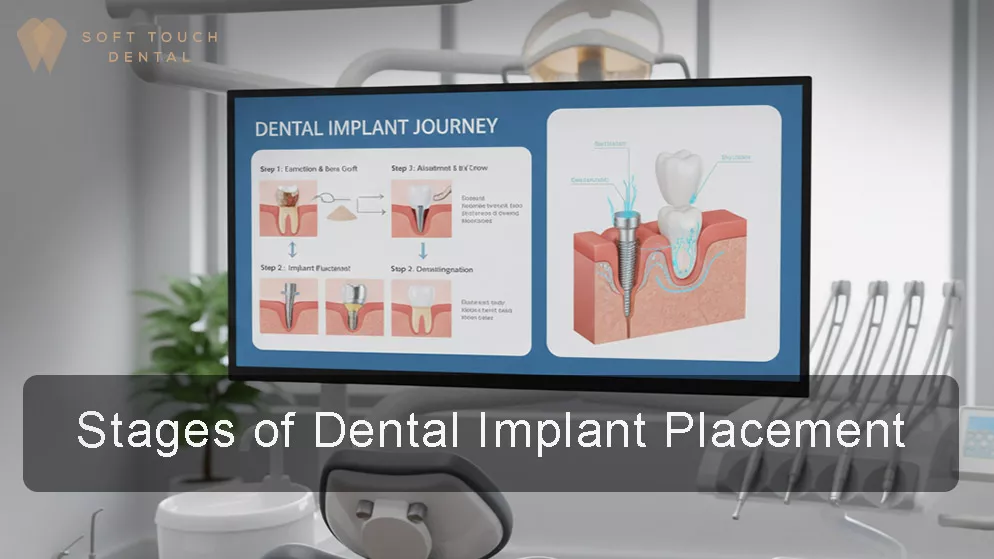
Imagine being able to chew a steak without worry, flash your smile confidently, and forget about wobbly dentures. That’s the magic of dental implants: a titanium root that fuses with your jawbone, giving you a tooth that feels and looks just like the real thing—for life!
But what’s the dental implants timeline like? How does the step-by-step dental implant procedure work? Does it hurt? Let’s break it down in simple, friendly terms so you know exactly what to expect.
Dental Implants Steps at a Glance (Summary Table)
| Step | What Happens? | How Long? | Does It Hurt? | Key Tip |
| 1. Consultation & Imaging | 3D scans (CBCT) + full check-up | 1 session (1 hour) | ❌ No | Spots if you need extra bone early! |
| 2. Bone Grafting (If Needed) | Adds bone material for a strong foundation | 3–6 months | ⚠️ Mild | Skips this if your jaw is already ready. |
| 3. Implant Placement Surgery | Inserts titanium post into the bone | 30–60 minutes | ✅ With anesthesia | Quick like a simple tooth extraction. |
| 4. Healing & Osseointegration | Post fuses permanently with bone | 3–6 months | ❌ No | The secret to rock-solid, lifetime stability! |
| 5. Abutment & Crown Attachment | Adds connector + custom crown | 2 sessions (2 weeks) | ❌ No | Matches your natural teeth perfectly. |
Total Dental Implants Timeline: 4 to 9 months (depending on your bone health)
Step-by-Step Dental Implant Procedure: What Happens in the Office?
Step 1: The Consultation (Like a Chat About Your Dream Smile!)
- Your dentist checks your mouth top to bottom.
- Takes 3D images (CBCT scan)—this scan is quick and painless.
- Figures out: “Is your jawbone strong enough for the implant?”
If you’re looking for a dental implant in San Diego, our team at Soft Touch Dental offers expert consultations tailored to you.
Step 2: Bone Grafting (Only If Your Jaw Needs a Boost)
If your bone is thin (maybe from an old tooth extraction), the doctor will add some bone material to build it up.
- Think of it like pouring concrete for a house foundation—it makes everything sturdy.
- Pain Level? Just a bit sore the first day, similar to a bruise.
Step 3: Placing the Implant (The Main Surgery)
This step is much faster than most people imagine!
- Local anesthesia is administered (feels just like getting a filling).
- A small incision is made, and the area is precisely prepared for the post.
- The titanium post goes in and is secured.
- Gums are stitched up.
- Whole Thing: About 45 minutes. Head home, sip some soup, and binge your favorite show 😴.
Step 4: Healing Phase (Where the Magic Happens!)
The titanium post biologically bonds with your jawbone—this crucial process is called osseointegration.
- It’s like your body is growing a new, permanent tooth root from scratch.
- During this time, you’ll often receive a temporary tooth or bridge to keep your smile looking great.
Step 5: Final Restoration (Your Smile Upgrade!)
Once the implant is rock-solid, we move to the final pieces.
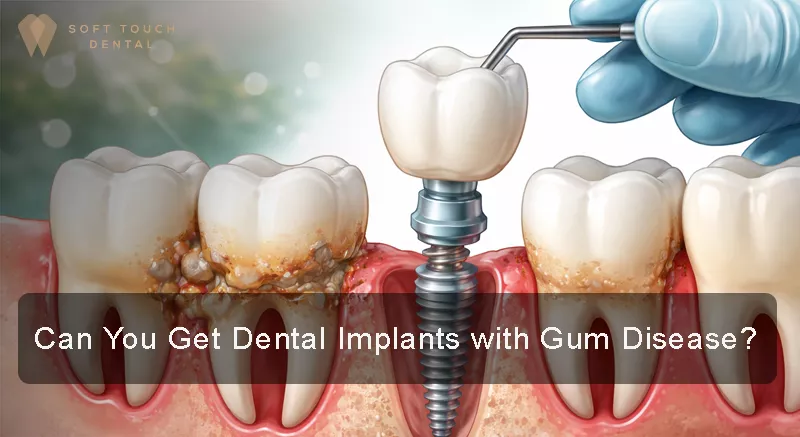
- We attach a small connector (abutment) to the implant post.
- We take impressions for your custom-made crown.
- The lab creates a crown that perfectly matches your surrounding teeth in color, shape, and fit.
- Result? A tooth that’s stable, won’t yellow, and stays put forever!
5 Golden Tips for Dental Implant Success
Following these simple tips is key to making your implant last a lifetime:
- Quit Smoking
It slows healing by up to 50% and doubles the risk of implant failure.
Want to know EXACTLY when you can smoke again after surgery? ➜ Read: When Can I Smoke After Dental Implant Surgery?
- Brush Twice a Day
Implants don’t decay, but plaque can inflame your gums.
- Visit Every 6 Months
Catch tiny issues before they become big problems.
- Skip Hard Foods Day 1
No nuts, ice, or steak — give your new implant a soft-landing!
- Control Blood Sugar
Diabetes slows healing; keep it steady for faster results.
Your New Smile Is Just a Few Steps Away!
You’ve seen the full dental implants steps—from the quick consultation to that final, perfect crown. The dental implants timeline might take a few months, but the payoff? A confident, natural-looking smile that lasts a lifetime.
Book your free consultation for dental implant in San Diego today and let Dr. Ali Fakhimi and the Soft Touch Dental team guide you every step of the way.
Frequently Asked Questions
Does the Step-by-Step Dental Implant Procedure Hurt?
Nope! Anesthesia handles the surgery, and afterward, any discomfort is usually mild swelling or bruising, manageable with over-the-counter pain relievers.
How Many Teeth Can I Implant at Once?
It varies, but many patients can have 4 or more implants placed in one session, depending on their overall bone quality and treatment plan (like All-on-4).
What If My Bone Isn’t Enough?
Not a problem! Bone grafting will be performed first, followed by a 3–6 month wait for healing, which prepares your jaw for successful implant placement.
Will My Implant Ever Get Loose?
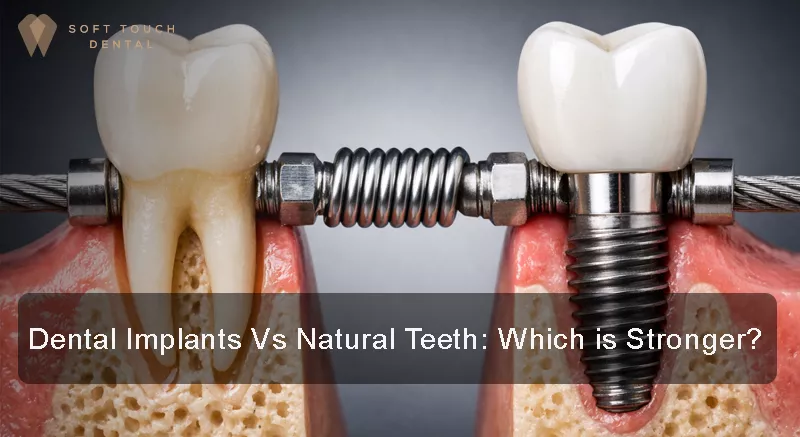
No way! Once the titanium post is fully fused (osseointegration), it is often stronger and more stable than a natural tooth root.
How Long Do Implants Last?
With good oral hygiene and regular check-ups, the implant post itself can last a lifetime! (Studies show a 95% success rate over 20 years).