
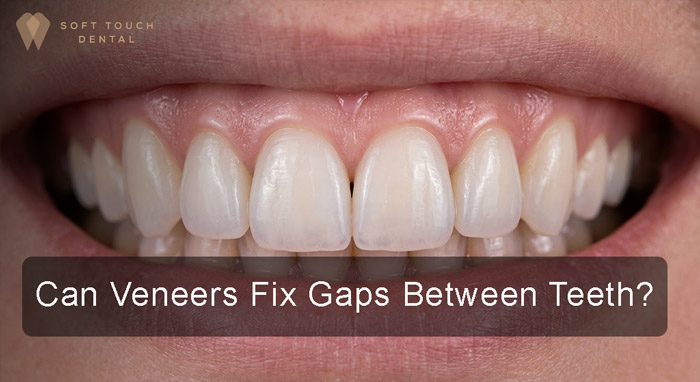
Yes, veneers for gaps between teeth are a highly effective, minimally invasive cosmetic solution. When patients ask can veneers fix gaps, the clinical reality is that custom-made porcelain or composite shells completely bypass the need for months of traditional orthodontic treatment. By crafting these shells slightly wider than your natural enamel to cover the front of your existing teeth, one of the primary Uses of Dental Veneers involves successfully bridging empty spaces (diastemas) and improving facial symmetry in just a few weeks.
Biological Causes of Gaps Between Teeth
Gaps between teeth, clinically known as diastemas, can occur for a variety of biological and developmental reasons:
- Genetics: Some individuals naturally have spaces due to the inherited size of their teeth relative to the size of their jawbone.
- Oversized Labial Frenum: An overdeveloped piece of tissue connecting the upper lip to the gum line can force a physical gap between the two upper front teeth.
- Oral Habits: Prolonged thumb sucking, lip sucking, or tongue thrusting can permanently impact the natural positioning and spacing of adult teeth.
- Missing or Mismatched Teeth: An injury, a naturally missing tooth (such as an absent lateral incisor), or having teeth that are physically too small can cause the surrounding teeth to shift, creating uneven spaces.
How the Veneer Placement Process Works
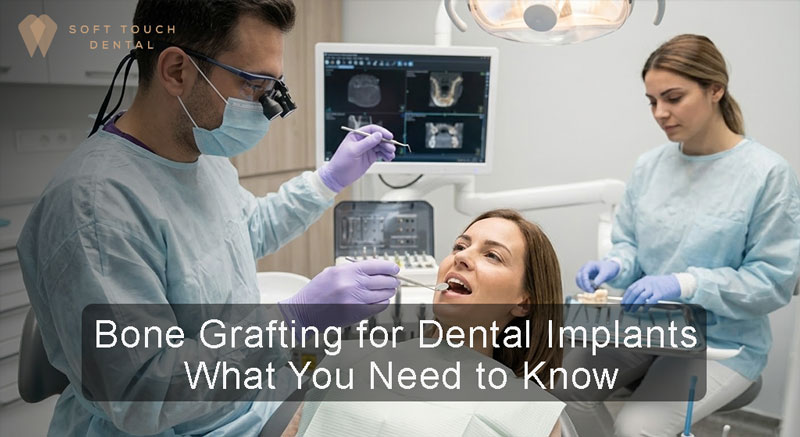
The journey toward closing gaps with cosmetic shells requires a precise clinical approach. At Soft Touch Dental, we follow a strict two-visit protocol to ensure your final result is structurally sound and visually seamless.
Consultation and Preparation:
We assess your oral health, discuss aesthetic goals, and determine clinical suitability. To prepare the teeth, we remove a microscopic amount of enamel from the front surfaces to create physical space for the shell. Impressions are then taken to create custom veneers that fit your specific anatomy, and temporary veneers are placed to protect the teeth while the final restorations are fabricated in a dental laboratory.
Final Placement and Bonding:
Once the custom veneers are ready, we test the fit and color to ensure a natural result. The bonding process involves using a specialized dental adhesive to secure the veneers to the teeth. A curing light is then used to instantly harden the adhesive, permanently securing the shells in place.
Material Options – Porcelain vs. Composite
When addressing spacing issues, patients choose between two primary materials, each offering specific clinical advantages:
| Feature | Porcelain Veneers | Composite Resin Veneers |
| Aesthetic Quality | Highly translucent; closely mimics the light-reflecting properties of natural enamel. | Good aesthetic improvement, but slightly less natural-looking than porcelain. |
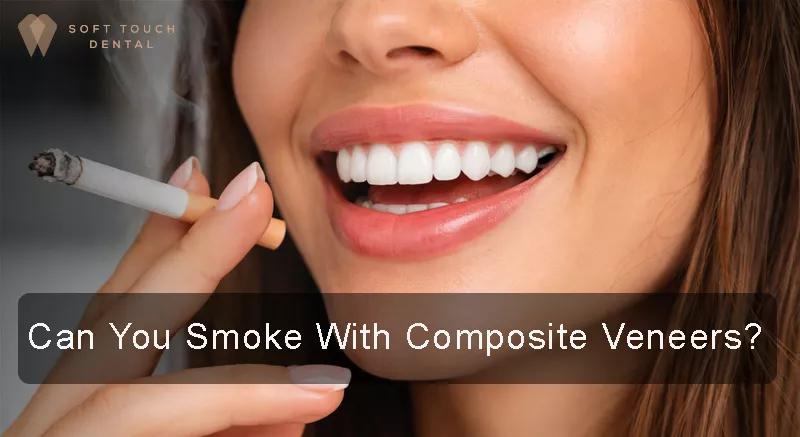
| Durability | Exceptionally strong, stain-resistant, and typically lasts 10 to 15+ years. | Prone to staining over time and generally lasts 5 to 7 years. |
| Application Process | Requires two visits and external laboratory fabrication. | Can often be applied directly to the tooth in a single office visit. |
| Cost & Approach | Requires a higher initial investment. | A more conservative, cost-effective solution. |
Determining if Veneers are the Right Solution
Veneers are highly versatile, but they are not the only solution for spacing issues. The suitability of the treatment is determined during a professional consultation for veneers San Diego CA.
Large Gaps
If gaps are too large, veneers may not be the ideal solution. In these instances, the shell would need to be unproportionately wide to bridge the gap, which creates an unnatural look. For significant structural issues, alternative restorative methods such as dental implants, bridges, or partial dentures are recommended.
Missing Teeth
Veneers are primarily designed to cover existing tooth surfaces. When gaps are caused by entirely missing teeth, they cannot bridge the space effectively without a stable underlying tooth structure to adhere to.
Structural Integrity
Because veneers adhere to the natural tooth below, there must be enough healthy tooth surface available to fully support the prosthetic. If the underlying tooth structure is compromised, the risk of the veneer breaking increases.
Quick At-Home Assessment
When checking your smile in the mirror, evaluate the size of the gap and the presence of the adjacent teeth. Because a veneer needs solid enamel to bond successfully, spaces wider than a few millimeters—or gaps caused by a completely missing tooth—will lack the required structural support and may cause the final porcelain shell to look unnaturally wide.
Conclusion
Dental veneers provide a reliable, direct solution for closing small to moderate gaps between teeth. By bonding custom-crafted porcelain or composite shells to the natural enamel, the procedure artificially widens the teeth to eliminate spaces and creates a structurally uniform smile. Maintaining these restorations requires consistent daily oral hygiene and regular professional dental check-ups to preserve the integrity of the bonding adhesive and the longevity of the veneer material.