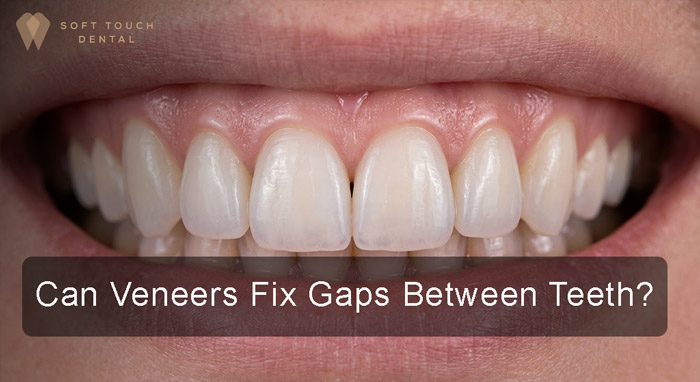
Dental veneers are one of the most popular and effective methods in aesthetic dentistry, offering the possibility of a rapid and dramatic transformation of the smile. These thin shells, typically made from porcelain or composite materials, are bonded to the front surface of the teeth to mask aesthetic imperfections such as discoloration, chipping, malformation, or gaps between teeth.
For veneer placement, it is necessary to prepare (grinding) a thin layer of tooth enamel. This process is required to create adequate space for the veneer to bond and to prevent the treated tooth from appearing bulky. This procedure has become the central focus of significant debates within dental circles regarding the impact of veneers and their potential destructive effect on the teeth. In the following sections of this article, we will thoroughly address this question.
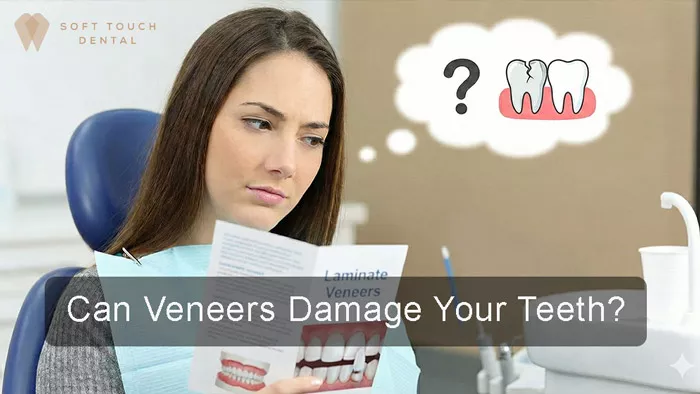
Can Veneers Damage Your Teeth?
The anxiety surrounding the question, Do veneers damage your natural teeth? stems from the preparation process. To ensure the veneer sits naturally and doesn’t look bulky, a tiny amount of the outermost tooth surface (enamel) must be removed.
The amount removed is very small—often less than a millimeter. An expert dentist, such as Dr. Ali Fakhimi , views this step as an art form focused on preservation. When done correctly by a specialist in cosmetic dentistry, the preparation process remains safely within the enamel layer (which has no nerves). Damage only occurs when an inexperienced doctor removes too much enamel.
Veneer: Risks vs Safety
The long-term safety of your natural teeth depends entirely on minimizing the risks associated with preparation and maintenance.
| Factor | The Risk (If Done Poorly) | The Safety Guarantee (Expert Approach) |
| Tooth Preparation | Exposure of Dentin: Removing too much enamel, leading to irreversible damage and sensitivity. | Minimal Prep: Removing less than 1mm, staying within the safe enamel layer using digital planning. |
| Bonding | Micro-Gap Failure: Poor bonding lets bacteria seep in, causing decay underneath the veneer. | Perfect Seal: Using advanced bonding agents and ensuring a complete, lifelong seal to protect the tooth. |
| Long-Term Health | Gum Disease/Decay: Ignoring hygiene causes disease and decay around the veneer edges. | Protective Shield: When done correctly, the veneer protects the front surface from future wear and chipping. |
When Do Veneers Affect Your Teeth Negatively?
The damage isn’t caused by the porcelain itself, but by two critical factors: improper technique and poor long-term care.
A. Aggressive Grinding Technique
Aggressive or unnecessary grinding is the number one cause of long-term damage, which is why we emphasize the importance of Minimal Preparation. This protects your natural tooth structure.
B. Poor Bonding and Seal
If the veneers are not perfectly bonded to the tooth surface, or if the cement seal wears out, tiny gaps can form. These micro-gaps allow bacteria and acid to seep between the tooth and the veneer, leading to decay underneath the porcelain.
C. Neglected Oral Hygiene
the natural tooth structure around the edges of the veneer can still develop decay and gum disease. To prevent this, learning How to Maintain Dental Veneers? through proper brushing, flossing, and regular checkups is vital for ensuring your smile lasts for decades.
Conclusion
Veneers do not ruin your teeth; improper technique and poor care do.
When placed by a highly skilled cosmetic dentist who respects the enamel layer and uses advanced bonding techniques, veneers are a safe, durable, and transformative treatment. They actually act as a protective shield for your natural teeth against future wear and chipping.
If you are considering Veneer in San Diego, the key to a healthy and lasting result is choosing an expert committed to minimal preparation and digital precision.
FAQ
Here are the most common concerns patients have about the safety and long-term effects of porcelain veneers:
Do veneers affect your teeth by causing sensitivity?
If the preparation is kept minimal and stays within the enamel (the top layer), you should feel little to no sensitivity. Temporary sensitivity to hot or cold is normal right after placement, but it should disappear quickly. Persistent sensitivity is a red flag that too much enamel may have been removed.
If I get veneers, will they damage my natural teeth by causing decay?
No, the veneers themselves don’t cause decay. In fact, they cover and protect the front surface of your tooth. Decay only happens if the veneer seal is broken or if you fail to clean the tooth edges properly. Maintaining excellent hygiene is key to preventing decay from forming around the veneer.
Are there different types of veneers that are less damaging?
Yes. No-Prep Veneers or Minimal-Prep Veneers are specifically designed to be less invasive, requiring very little or no enamel removal. We prefer this approach whenever possible to ensure we preserve as much of your natural tooth structure as we can.
Can I still get cavities after getting veneers?
Yes. While the porcelain veneer cannot get a cavity, the parts of your natural tooth that are still exposed (like the backside and the root surface) can still get cavities. Regular checkups and excellent brushing/flossing routines are essential for the longevity of your investment.
Once my teeth are prepped, can I ever go back to having natural teeth?
No. Once the enamel has been minimally buffed or shaped, that change is permanent. Your natural teeth will always need to be covered by either a veneer or a crown to protect the prepared surface. This is why choosing an experienced cosmetic specialist is the most critical decision you will make.