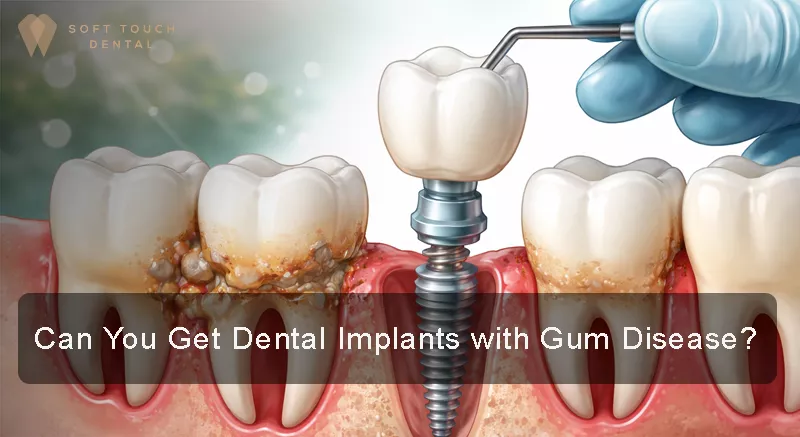
Yes, you can get dental implants if you have a history of gum disease, but the condition must be treated and completely stabilized before surgery. Placing an implant in gums with an active infection carries a high risk of failure, as the bacteria can destroy the supporting jawbone and prevent the implant from healing properly. Once your gums are healthy, stabilized, and any lost bone or tissue is restored, you can safely proceed with a personalized treatment plan to permanently replace your missing teeth.
How Gum Disease Affects Dental Implants
To understand why patients frequently ask about their eligibility after battling gum disease, it is important to look at how periodontal infections attack the foundation of your mouth.
- The Need for a Strong Foundation: For an implant to be successful, it relies on dense, healthy jawbone and firm gum tissue for structural stability.
- The Risk of Active Infection: If placed in infected gums, the implant may fail to integrate properly with the jawbone, leading to the titanium post loosening or falling out entirely.
- Bone and Tissue Deterioration: Severe gum disease, known as periodontitis, actively destroys the underlying jawbone and causes gums to recede. Without sufficient bone density and gum coverage, standard implants cannot be safely anchored or protected from future infections.
Steps to Stabilize Your Gums Before Surgery
You cannot undergo implant surgery with active, untreated gum disease. However, working with a dental professional at Soft Touch Dental to eliminate the infection through targeted treatments can make you an excellent candidate for the future.
- Professional Deep Cleaning: Procedures like scaling and root planing are used to remove plaque, tartar, and harmful bacteria from deep below the gum line.
- Antibiotic Therapy: Dentists often prescribe localized or oral antibiotics to help completely eradicate deep-seated bacterial infections before considering any surgical intervention.
- Tissue Regeneration: If you have severe gum recession that leaves the tooth root exposed, a soft tissue graft—taking tissue from another area of your mouth—can rebuild the protective gum line around the future implant.
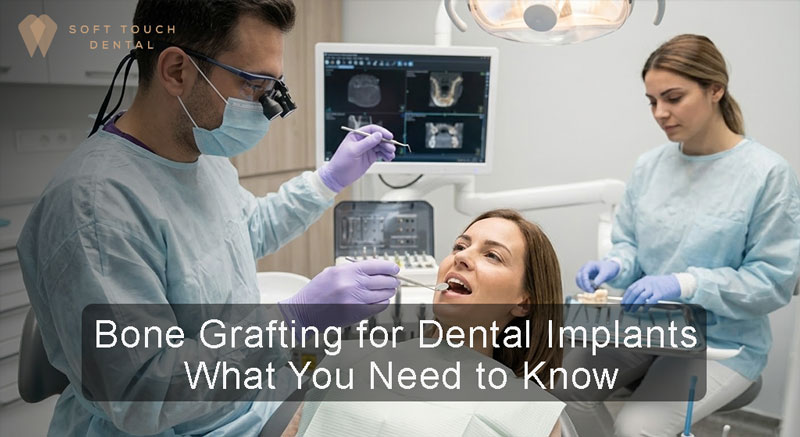
- Bone Grafting: If the bacterial infection has eaten away at your jawbone, a bone graft procedure can regrow the necessary structural support before the implant is placed.
Are You Ready for Dental Implant Surgery with a Gum Disease?
Understanding the physical differences between an active infection and a healed mouth can help you determine if you are clinically ready to begin the implant process.
| Clinical Sign | Active Gum Disease (Surgery Delayed) | Stabilized Gums (Ready for Implants) |
| Bleeding | Gums bleed easily when brushing, flossing, or eating. | No bleeding during daily oral hygiene routine. |
| Appearance | Red, swollen, puffy, or highly tender to the touch. | Firm, pale pink, and entirely painless. |
| Gum Line | Gums are actively receding or pulling away from the teeth. | Gums fit snugly and securely around the existing teeth. |
| Pocket Depth | Deep periodontal pockets (4mm or deeper) trapping bacteria. | Healthy, shallow gum pockets (1mm to 3mm) measured by a dentist. |
| Stability | Existing natural teeth feel loose or shift when chewing. | Existing teeth and jawbone feel completely secure and solid. |
Alternative Options for Severe Bone Loss
If your bone loss or gum recession is too advanced for a traditional single implant, there are several advanced types of implants and alternative restorative methods available to safely restore your smile.
- Zygomatic Implants: For patients with advanced, severe bone loss in the upper jaw, these specialized implants are anchored directly into the dense cheekbone (zygomatic bone) rather than the deteriorated jawbone.
- All-on-4 Dental Implants: This technique maximizes your existing bone by strategically placing the implants at an angle for maximum support, often making it a viable option even for patients with some degree of bone loss.
- Implant-Supported Dentures: This is a hybrid solution that anchors a full denture to a few strategically placed implants. It offers much higher stability than traditional dentures while requiring less overall gum tissue and bone density than replacing teeth individually.
Factors That Can Disqualify You From Implant Surgery
Beyond active gum disease, certain medical conditions, lifestyle choices, and medications can hinder the body’s healing process. For patients exploring dental implants in san diego, a comprehensive evaluation of these risk factors is necessary to ensure long-term success.
- Uncontrolled Systemic Conditions: Medical issues such as unmanaged diabetes, autoimmune diseases, and osteoporosis can severely impair bone healing, weaken the jawbone, and reduce the body’s immune response.
- Certain Medications: The use of blood thinners, immunosuppressants, and bone-altering drugs like bisphosphonates can complicate the surgical process and slow down recovery.
- Heavy Smoking: Smoking restricts vital blood flow to the gums, drastically slowing the healing process and significantly increasing the chances of implant complications or rejection.
- Severe Bruxism: Chronic teeth grinding or clenching puts immense pressure on healing implants, which can cause them to loosen over time. A custom nightguard is often recommended to protect the implants from this excessive force.
The Importance of Long-Term Maintenance after implants
Surviving gum disease and successfully receiving implants is only half the journey; protecting that investment requires ongoing daily dedication.
- Meticulous Oral Hygiene: Long-term success requires excellent, ongoing oral hygiene to prevent the recurrence of gum disease around the implant (a condition known as peri-implantitis), which could cause the implant to fail.
- Routine Dental Checkups: Regular professional cleanings and monitoring allow your dentist to catch and treat any minor bacterial buildup before it develops into an active infection.
Conclusion
Having a history of gum disease does not mean you have to settle for missing teeth. By undergoing the proper periodontal treatments to completely stabilize your oral health, you can build the strong foundation necessary for lifelong tooth replacement. A thorough consultation to assess the severity of your gum disease, manage existing infections, and develop a personalized treatment plan will ensure your restoration is both safe and successful.