
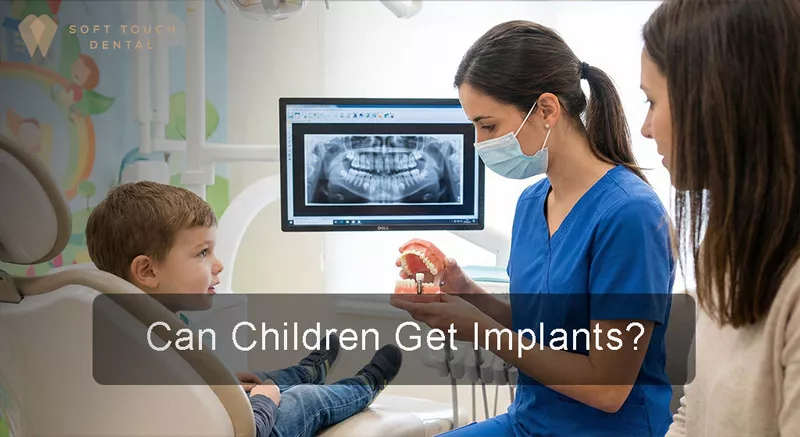
Many parents ask: Can children get implants? In short, permanent dental implants are usually not placed until a child’s jaw is fully grown. Children’s jaws and facial bones develop over time, so an implant put in too early may shift out of position as the jaw changes. In this article, we explain the core answer right away and then explore the timing, special cases, alternatives, and practical tips for dental implants in children.
Dental Implants in Children: When Is It Possible?
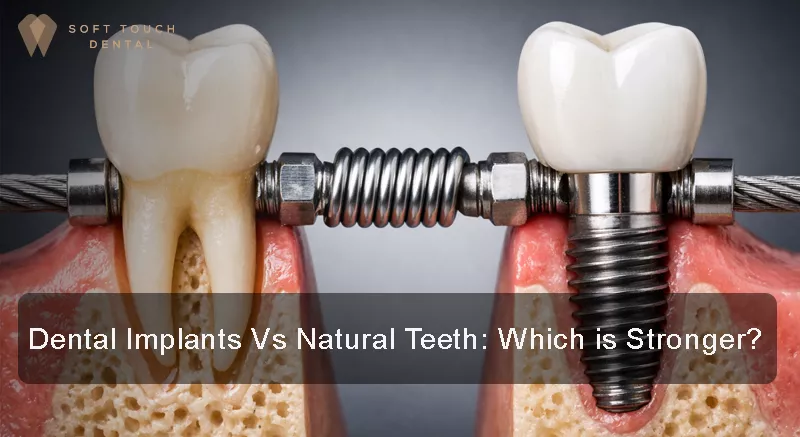
Core answer: Almost never until growth is complete. A growing jaw keeps moving, so an implant fixed in place would not adjust. As one oral surgeon notes, A tooth implant is not appropriate for a child because a child’s jaw is still developing and changing. If an implant is placed in a child’s jaw, there is a significant likelihood that the dental implant will end up in the wrong position as the jaw continues to evolve. In other words, the implant would stay put while the rest of the jawbone changes shape, causing alignment problems with adjacent teeth.
In practice, dentists delay implants until skeletal maturity. Specialists emphasize that implants are fused directly to the bone and cannot move, so placing them before growth is finished “can lead to problems. Typically, girls’ jaw growth completes around ages 16–18 and boys’ around 18–21. For example, a UK dentist’s guide explains that girls may be able to have implants around age 15 and boys around 17, but most dental implant specialists won’t consider dental implants until at least the age of 21. Until then, any missing tooth is managed in other ways (see below).
According to an ectodermal dysplasia (ED) specialist site, placing an implant too early can cause it to lag behind as nearby natural teeth drift during growth. For this reason, waiting is key. One clinic bluntly advises that children can’t receive dental implants… placing implants in an undeveloped jaw can lead to misalignment over time. At the same time, experts note that implants aren’t forever off-limits. Texas Oral Surgery Specialists points out that a child who isn’t eligible now may be able to get [an implant] in a few years after the jaw’s growth is complete. In other words, the option is often kept open: plan for the future.
Jaw Growth and Timing
Growing children’s jaws expand in all directions. Because implants are rigid, doctors worry about transverse (width), sagittal (length), and vertical growth causing problems. For example, one case report described a 15-year-old boy who received an implant; four years later, X-rays showed bone around the implant resorbing as his face grew. To avoid such issues, dentists measure growth carefully. They may take periodic X-rays or even bone-age scans to confirm growth is finished. In summary: an implant in a child can only be placed safely once growth has essentially stopped.
Age Guidelines
In concrete terms, most clinicians wait until the late teens or early twenties. As noted:
- girls often mature earlier (roughly 15–18)
- while boys can grow into early 20s.
Some clinics even set a firm age: for instance, one clinic notes children are not suitable candidates. You must be at least 21 to get a dental implant. These guidelines aren’t laws but reflect average growth. Every child is different. Dental implants in children require individualized assessment. The dentist will confirm that all permanent teeth have come in and that bone size is stable. If there’s any doubt, other treatments fill the gap until implants become an option.
While dental implants are usually delayed during childhood, long-term planning is essential. As children grow into adulthood and complete jaw development, they may become candidates not only for single-tooth implants, but also for more advanced solutions such as Full mouth dental implants in cases of extensive tooth loss. Early guidance from dental professionals helps ensure that the jawbone and oral structures are properly prepared for these comprehensive treatments later in life.
Special Cases and Exceptions
There are rare situations where younger patients may receive implants under specialist care. For example:
teens with severe trauma or congenital conditions (like ectodermal dysplasia causing many missing teeth) might be treated early. In one report, an 11-year-old with ectodermal dysplasia received lower jaw implants and after 3 years had no adverse growth issues. Also, orthodontists and surgeons sometimes collaborate: for instance, an orthodontist might create space and a surgeon could place an implant as part of a complex treatment plan. These cases are exceptions they involve careful planning and monitoring.
In general, however, the rule is clear: children’s dental implants require a team approach. Pediatric dentists and orthodontists track development and preserve natural teeth when possible. As one review explains, the pediatric dentist maintains baby teeth and oral health, preventing bone loss until the right time. Meanwhile, families can keep the implant option open by consulting specialists early and choosing interim solutions as needed.
Alternatives and Preparatory Steps for Young Patients
Since permanent implants usually come later, dentists use temporary fixes in the meantime. If a child loses a tooth, options include:
- Space Maintainers or Partial Dentures: A removable prosthetic tooth (a flipper) or a space maintainer appliance can fill the gap. This keeps the jaw’s shape and esthetics intact.
- Dental Bridges: A conventional bridge (an artificial tooth held by crowns on adjacent teeth) can be used once enough adjacent teeth exist. This is more permanent than a denture but relies on supporting teeth.
- Orthodontic Treatment: Sometimes braces are used to move nearby teeth and close a small gap naturally. If overcrowding caused a tooth loss, orthodontics can even create space for future implants.
- Preserving Baby Teeth: If a healthy primary tooth is still present, dentists usually keep it as long as possible. This “placeholder” preserves the bone and space. In fact, specialists note that preservation of primary teeth… prevents loss of arch length and maintains the alveolar bone height for later implant placement.
In short, temporary restorations protect the site until an implant can be placed. These solutions support eating, speaking, and confidence while preventing bone shrinkage.
Tips for Parents
- Start Early with a Pediatric Dentist: A pediatric dentist can monitor growth year by year. They will take X-rays and judge when the jaw is approaching maturity. They can also preserve baby teeth or use space maintainers as needed.
- Maintain Oral Health: Good hygiene and routine check-ups are vital. Healthy gums and bone are important whether a child keeps a natural tooth or prepares for a future implant.
- Consult Specialists: If your child lost a tooth, ask about referrals. Orthodontists, oral surgeons, and pediatric dentists may work as a team. As one surgeon advises, discuss options early so you can choose the most appropriate strategy to either replace the tooth or maintain the space… in the interim.
- Be Patient, Be Informed: Understanding that the delay is for the child’s benefit helps. Talk with your dentist about the timing. Remember that once growth is done, implants can give a long-term solution. Several credible sources stress that with careful planning, children can receive implants later on. Stay informed by asking questions and reviewing trustworthy resources.
FAQs
1: At what age can a child get a dental implant?
There is no one-size-fits-all age, but generally not until late teens or older. Dentists check growth with X-rays and look for jawbone maturity. Most guidelines point to around age 18–21 for boys and mid-to-late teens for girls.
2: Why can’t implants be placed in a growing child?
Because the implant is fused in bone, it won’t move as the jaw grows. This mismatch can cause alignment problems. As explained by implant specialists, a child’s “jaw is still developing… the implant will end up in the wrong position as the jaw continues to evolve”. Waiting avoids these complications.
3: What should parents do if their child loses a tooth?
Talk to your dentist about temporary options. Depending on the child’s age, you might use a space maintainer (flipper), a bridge, or orthodontics. A pediatric dentist can preserve any remaining baby tooth and maintain bone. These interim solutions keep things healthy until an implant is possible.
4: Are dental implants safe for teens or children?
Implants themselves are safe procedures, but timing is key. For a fully grown teen, an implant is as safe as for an adult. For younger children, the safety issue is that growth can displace the implant. That’s why specialists prefer to wait. In rare cases (e.g., ectodermal dysplasia), implants have been placed under careful supervision, but this is not routine practice.
5: How do dentists know when to place an implant?
They use growth indicators. Beyond age, dentists may take hand-wrist X-rays or serial cephalometric (head) X-rays to confirm skeletal maturity. When these show no more jaw growth, and all adult teeth are in, an implant can be considered. In the meantime, they will prepare the site (ensuring bone volume, orthodontic alignment, etc.) so it’s ready for the implant.
Conclusion
In conclusion, the answer to the question “Can children get implants?” is: not immediately, but yes in the future with proper timing. Dental implants in children are usually postponed until jaw growth is complete, but with temporary solutions and proper dental care, the foundation for successful treatment can be preserved. The best next step is to consult a pediatric dentist or implant specialist at a trusted clinic such as soft touch dental, where your child’s growth, oral health, and long-term treatment options can be carefully evaluated and planned.