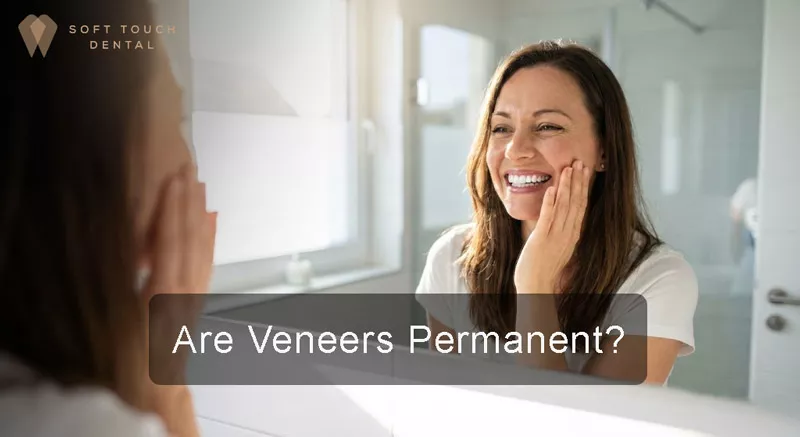
One of the biggest fears patients have when considering cosmetic dentistry isn’t about the pain or the cost—it is about the finality of the decision. The idea of changing your teeth “forever” can be daunting. You might worry about regret, or wonder what happens 15 years down the road.
Because this is a lifelong commitment, fully understanding are veneers permanent is essential for setting realistic expectations. The reality is that while the procedure is technically irreversible, there is a crucial distinction between the preparation being “permanent” and the prosthetic being indestructible. Understanding this nuance is key to feeling confident in your decision.
Why Are Veneers Considered Permanent?
The primary reason dentists categorize this procedure as irreversible lies in the preparation process. To ensure a veneer lays flat and looks natural (rather than bulky), we typically must remove a thin layer of enamel from the front surface of the tooth.
Because enamel is the only tissue in the human body that does not regenerate, this removal means the tooth is forever altered. Consequently, asking are veneers permanent is really asking about the commitment to the tooth structure itself. Once the enamel is removed, that tooth will always require some form of covering to protect it from sensitivity and decay, making this a lifelong decision.
Who Needs This Permanent Solution?
Before committing to this lifelong journey, it is important to confirm that you are the right candidate. According to dental standards, veneers are ideal for camouflaging specific issues that other treatments cannot fix:
- Chipped or Broken Teeth: Restoring the shape of damaged teeth.
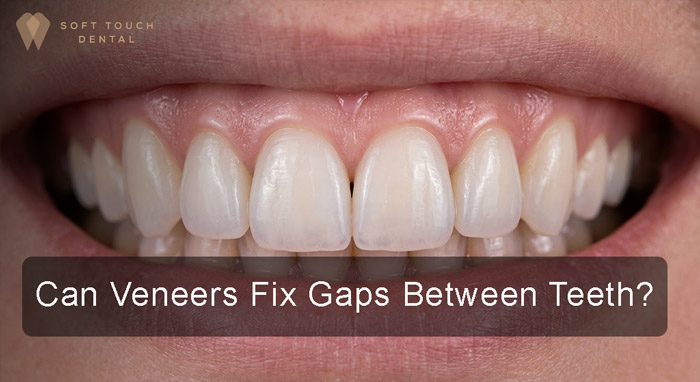
- Diastema: Closing significant gaps or spaces between teeth.
- Stubborn Stains: Masking deep discoloration that does not improve with professional whitening.
- Misshapen Teeth: Correcting teeth that are too small or oddly shaped.
Note: It is vital to note that you must be free of extensive cavities and active gum disease before starting. If you have serious oral health issues, we must address those first.
Types of Veneers؛ Which Ones Are Reversible?
Not all veneers require the same level of commitment. For patients seeking Veneers San Diego, understanding the material options is the first step in deciding the level of permanence.
Porcelain Veneers
These are the gold standard for durability. Because they are about 0.5mm thick, they require enamel removal. This is a permanent alteration to your natural tooth.
No-Prep / Lumineers
These are ultra-thin shells (like a contact lens) that often require little to no removal of tooth enamel. Because the underlying tooth structure is left largely intact, this procedure is sometimes reversible.
Composite Veneers
Sculpted directly onto the tooth using resin, these require less enamel removal than porcelain but are more prone to chipping and staining over time.
Removable (Snap-On) Veneers
Unlike traditional options, these fit over your natural teeth like a retainer and can be taken out at any time. While they are affordable and reversible, they can affect speech and make eating difficult.
Do Veneers Last Forever?
While the procedure itself is irreversible, the veneers themselves are not indestructible. When patients ask Are veneers permanent? Regarding the lifespan of the material, the answer is no. Like any dental restoration, they will eventually need to be replaced.
On average, high-quality porcelain veneers last between 10 to 15 years. Research published in the International Journal of Prosthodontics indicates a survival rate of over 90% after a decade. With excellent care, many patients enjoy their results for up to 20 years. Composite resin veneers typically have a shorter lifespan of about 5 to 7 years.
Eventually, due to normal wear and tear, gum recession, or changes in your face shape, you will need to undergo a replacement procedure to maintain your smile.
The Temporary Phase
Since laboratory-made veneers take a few weeks to create, you won’t walk out with your final smile on day one. During the preparation appointment, after your enamel is trimmed, we will place temporary veneers.
These are critical for protecting your sensitive teeth while you wait. However, because they are temporary, they are not as strong as the final porcelain. During this short period, you must be careful not to bite into hard foods like apples or crusty bread, as temporaries can dislodge more easily.
Does Preparation Hurt Your Teeth?
A major misconception is that getting veneers “ruins” your natural teeth. In reality, the goal is to enhance and protect, not damage. However, because the protective enamel layer is thinned, the tooth structure underneath is permanently altered.
Given this change, you might naturally worry and ask: Can Veneers Damage Your Teeth?
No; veneers do not actively harm your teeth. In fact, they can shield weak or cracked teeth from further damage. However, the tooth underneath is still alive. If oral hygiene is neglected, decay can still form at the margins where the veneer meets the tooth. This is why brushing and flossing remain just as critical after the procedure as they were before.
Immediate Recovery and Numbness
The placement process usually involves local anesthesia to ensure you are comfortable. This means you will likely experience numbness in your lips and mouth for a few hours after leaving the clinic.
It is important to be mindful during this time. We recommend avoiding eating until the anesthesia wears off to prevent accidentally biting your cheek or tongue. Unlike more invasive surgeries, there is typically no “downtime.” You can usually return to work or normal activities the same day.
Risks and Financial Considerations
Transparency is vital when making a life-changing decision. Apart from the physical changes to your enamel, there are practical aspects to consider before proceeding.
- It is common to feel some sensitivity to hot and cold temperatures for a few days or weeks after the procedure. This typically subsides as the tooth adjusts.
- Because veneers are classified as a cosmetic treatment, most dental insurance plans do not cover the cost.
- Since they are not indestructible, you should plan for the future financial commitment of replacing them every 10–15 years.
How to Protect Your Investment
While porcelain is stain-resistant, it is not stain-proof. To ensure your veneers stay bright for the next decade, you need to adjust some daily habits.
Watch What You Eat and Drink
Although porcelain resists stains better than natural enamel, frequent consumption of dark-colored liquids like red wine, coffee, tea, and berries can eventually cause discoloration at the edges of the veneers. Using a straw can help minimize contact.
Don’t Use Teeth as Tools
Never use your veneers to tear open packages, remove clothing tags, or uncork bottles. Porcelain is strong in compression (biting) but brittle in tension (twisting/pulling). This specific type of force can cause the veneer to chip or pop off.
Night Care
If you grind your teeth (bruxism), a custom night guard is non-negotiable. Grinding is the leading cause of premature veneer failure.
The Importance of Conservative Preparation
The durability of your veneers is directly tied to the precision of the application, not just the material. A lack of precision can lead to “micro-leakage,” where bacteria seep between the veneer and the tooth, causing decay from the inside out. Furthermore, over-aggressive preparation (removing too much enamel) can compromise the nerve and structural integrity of the tooth.
At Soft Touch Dental, we utilize a “minimally invasive” approach. This means we use advanced magnification to remove the absolute minimum amount of enamel necessary—often a fraction of a millimeter. This technique prioritizes the long-term health of the underlying tooth while ensuring a bond that is secure, sealed, and truly lasting.
Conclusion
So, ultimately, are veneers permanent? Yes, the decision to get them is a lifelong commitment to maintaining your smile. Once the enamel is removed, there is no going back to the original tooth surface.
However, with modern materials and expert application, it is a commitment that brings decades of confidence. If you are ready to see if this is the right path for you, we invite you to schedule a consultation to discuss your goals and options.